Ulva House
About Ulva House
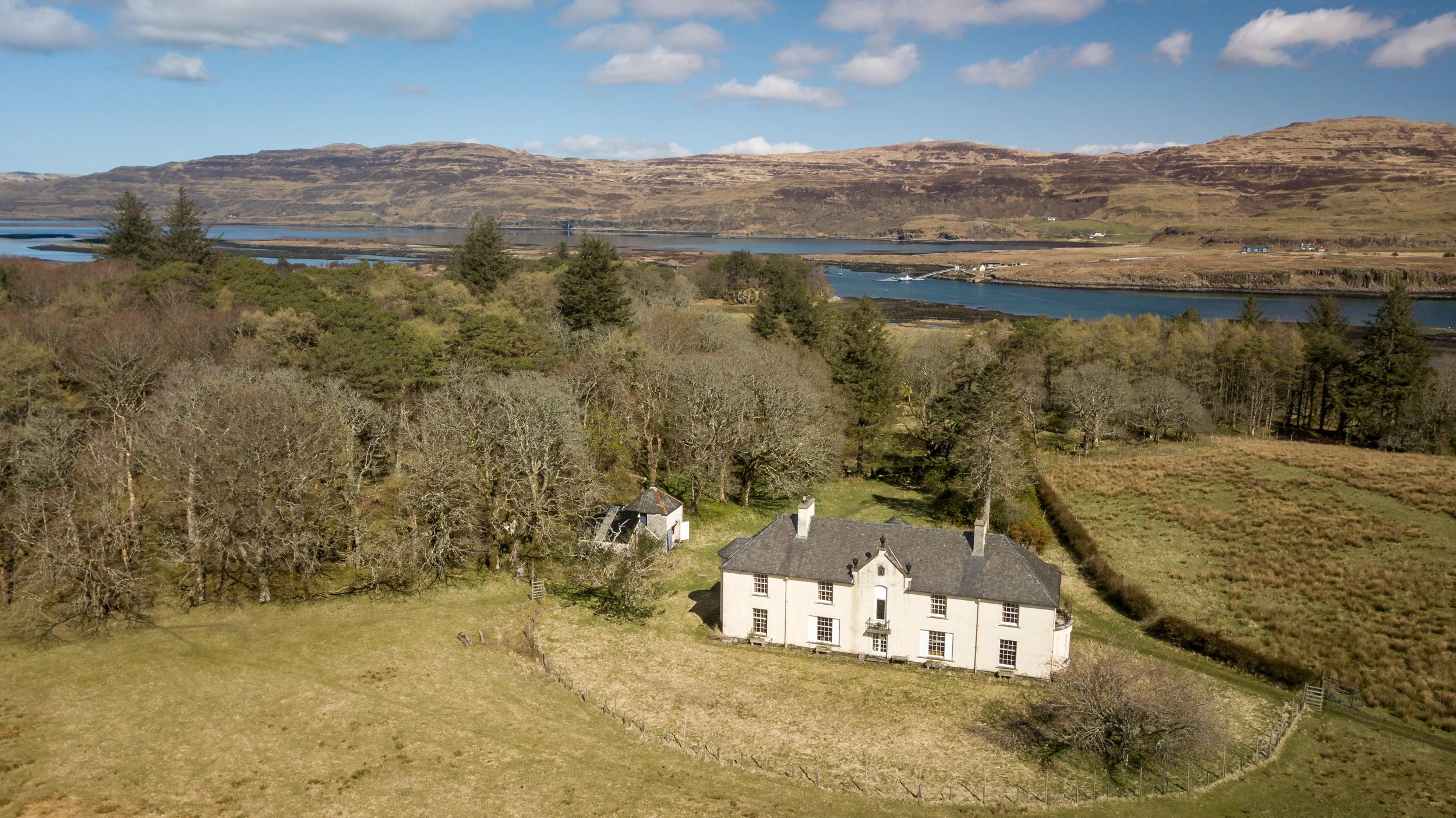
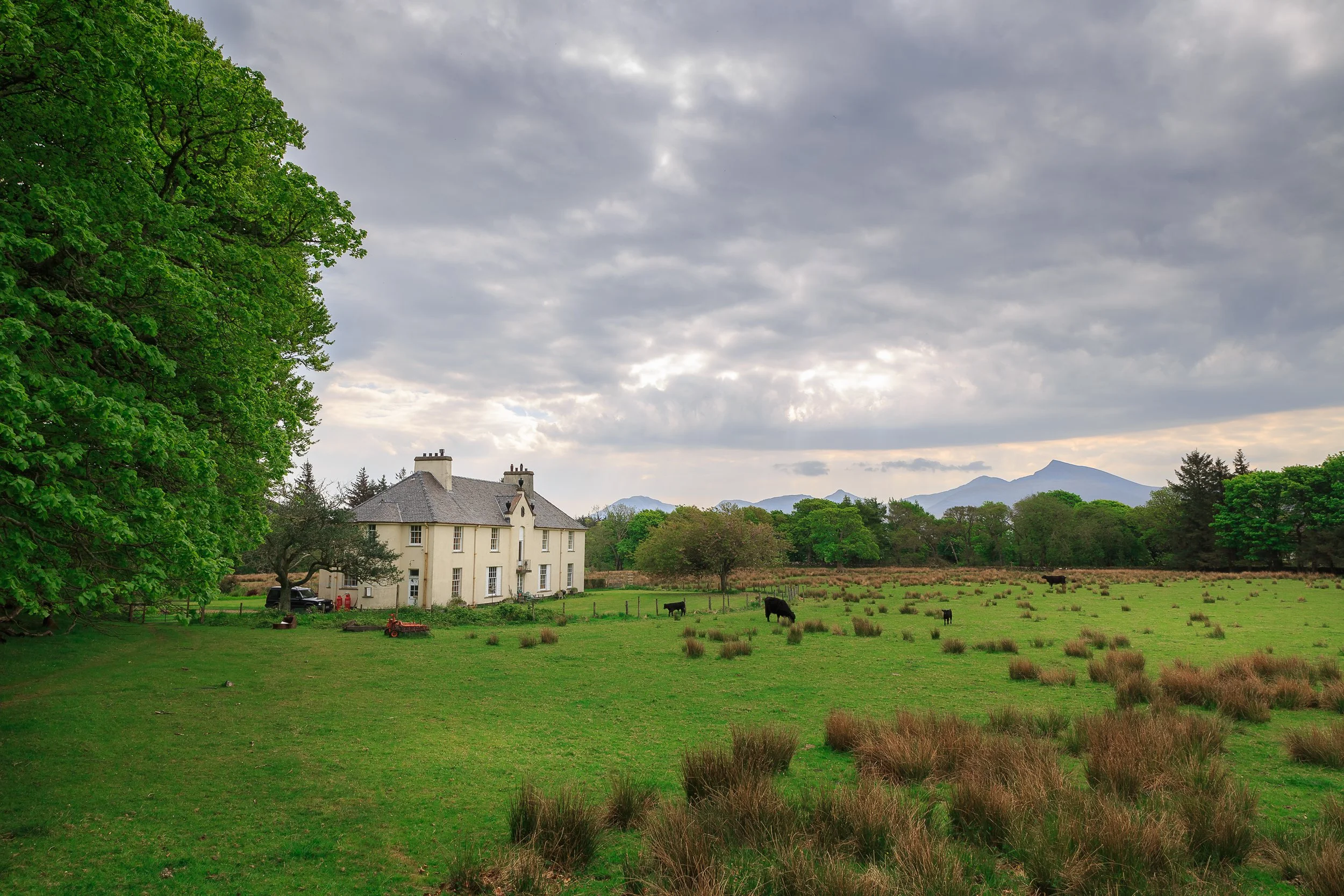
Located on the south side of the Isle of Ulva, Ulva House is one of the island’s most significant buildings.
Until 1777, Ulva was the seat of Clan MacQuarrie. An earlier mansion house associated with the clan stood on this site before being replaced in the early 19th century. Following a fire which destroyed that building, Ulva House was rebuilt again in 1955–56.
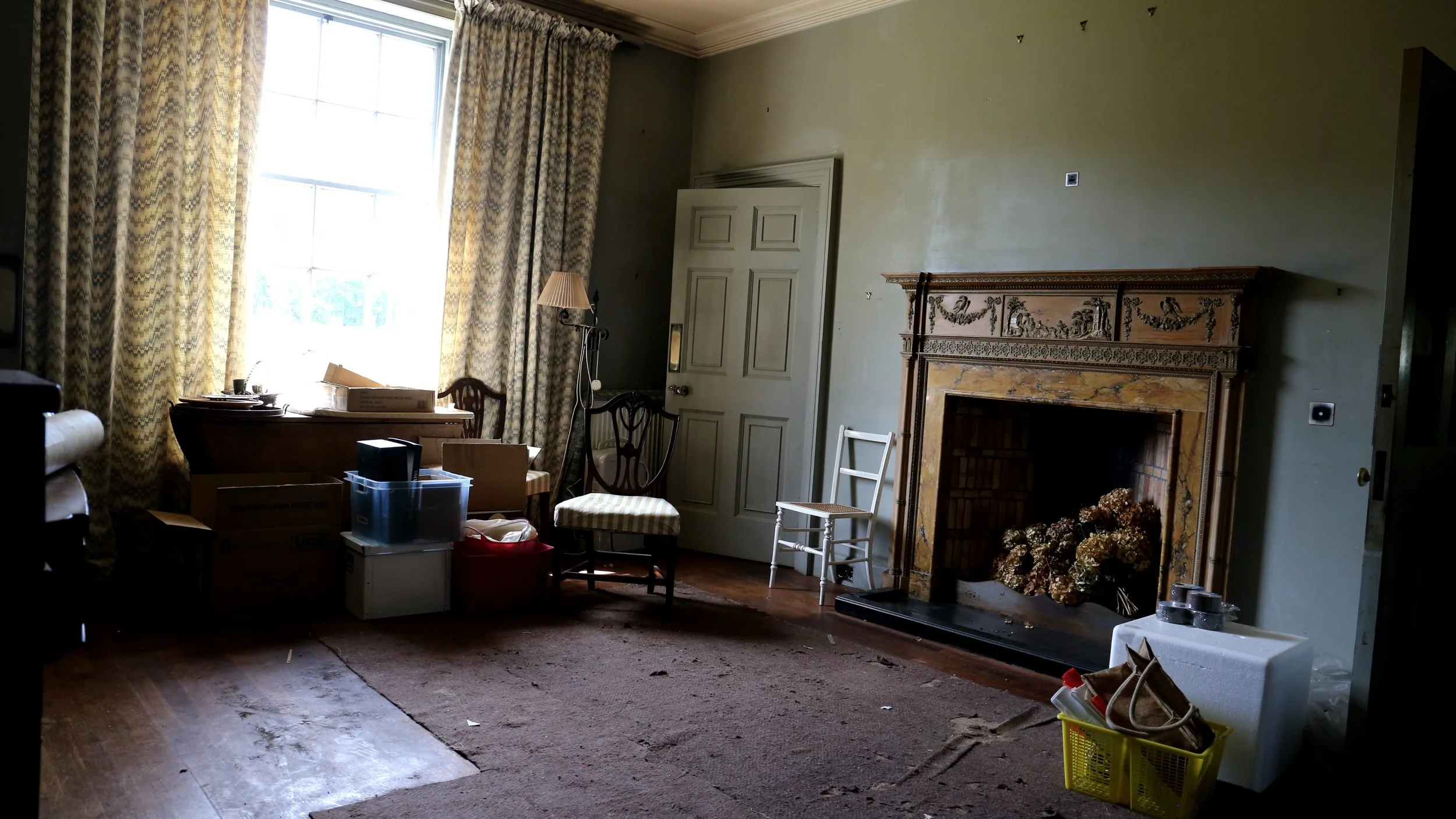
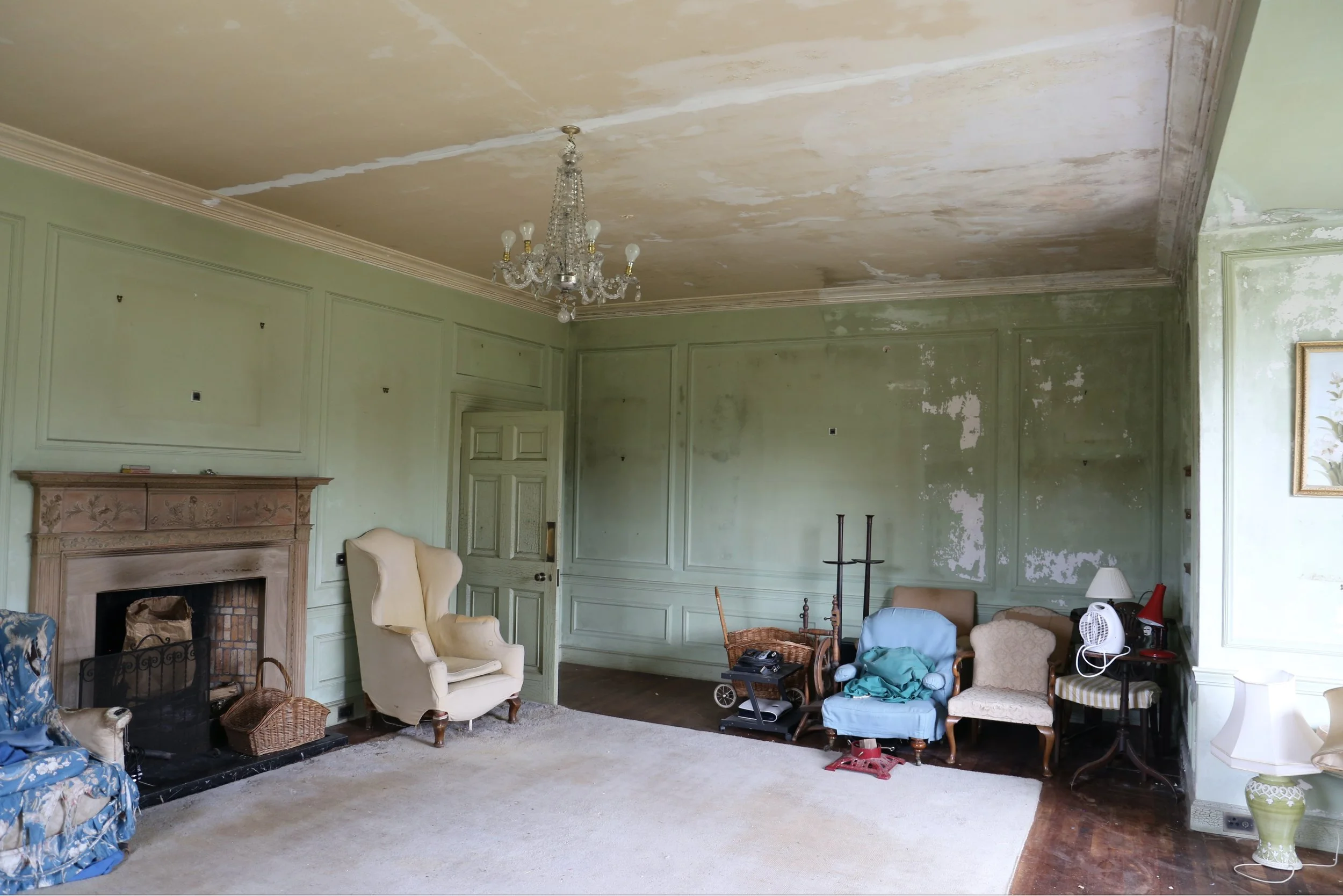
Designed by Leslie Grahame Thomson (MacDougall after 1953), who Historic Environment Scotland describes as one of Scotland’s leading architects of the inter-war period, it incorporates several elements salvaged from the original house, such as the sundial and ornamental urn-finial externally, and several fireplaces internally.
Today, Ulva House is a Category B listed building, recognised by Historic Environment Scotland for its architectural significance as a large post-war mansion house.
Ulva House served as the Laird’s residence up until 2018, when it was passed into the community ownership following the Isle of Ulva community buyout.
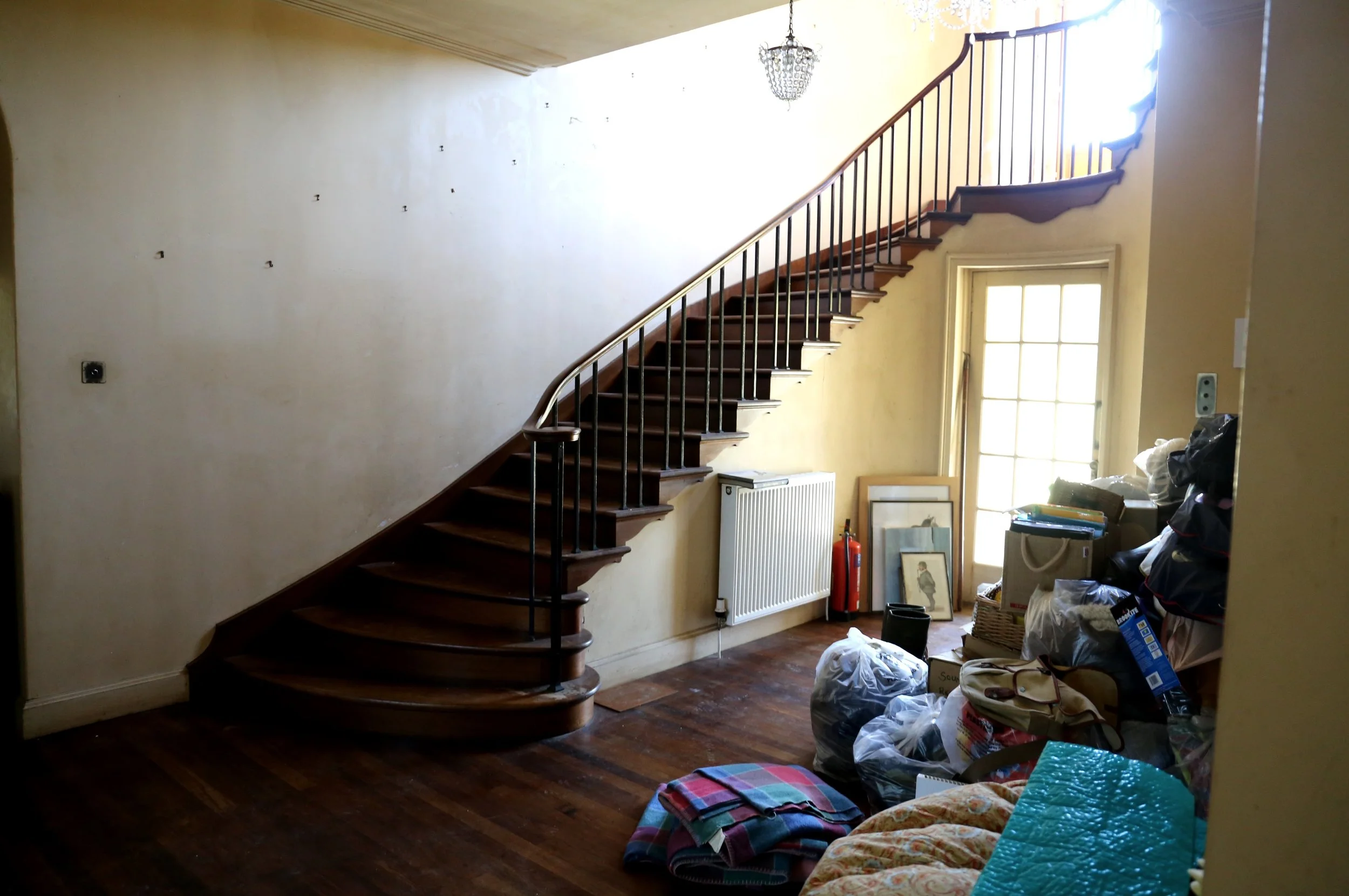
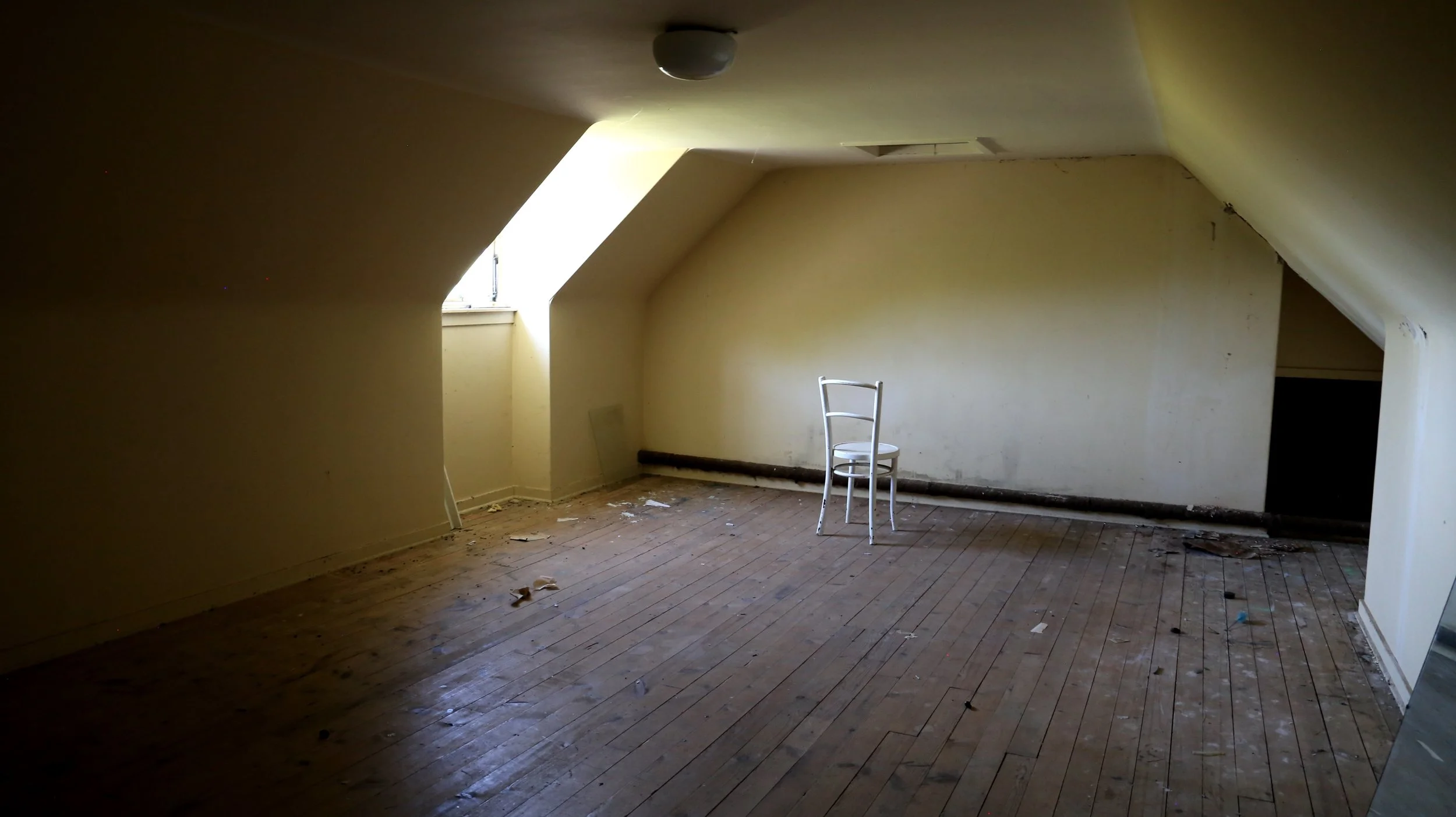
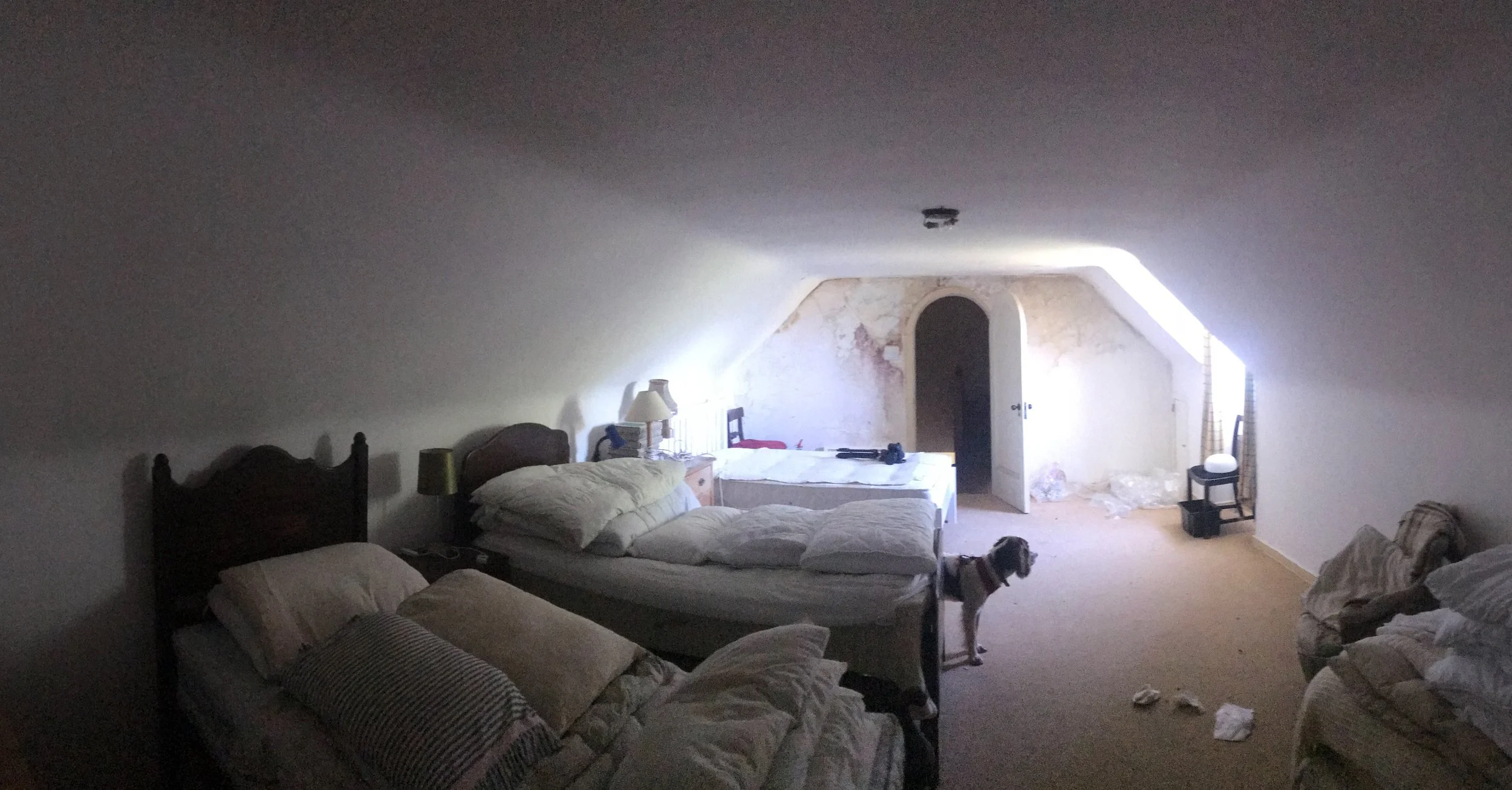
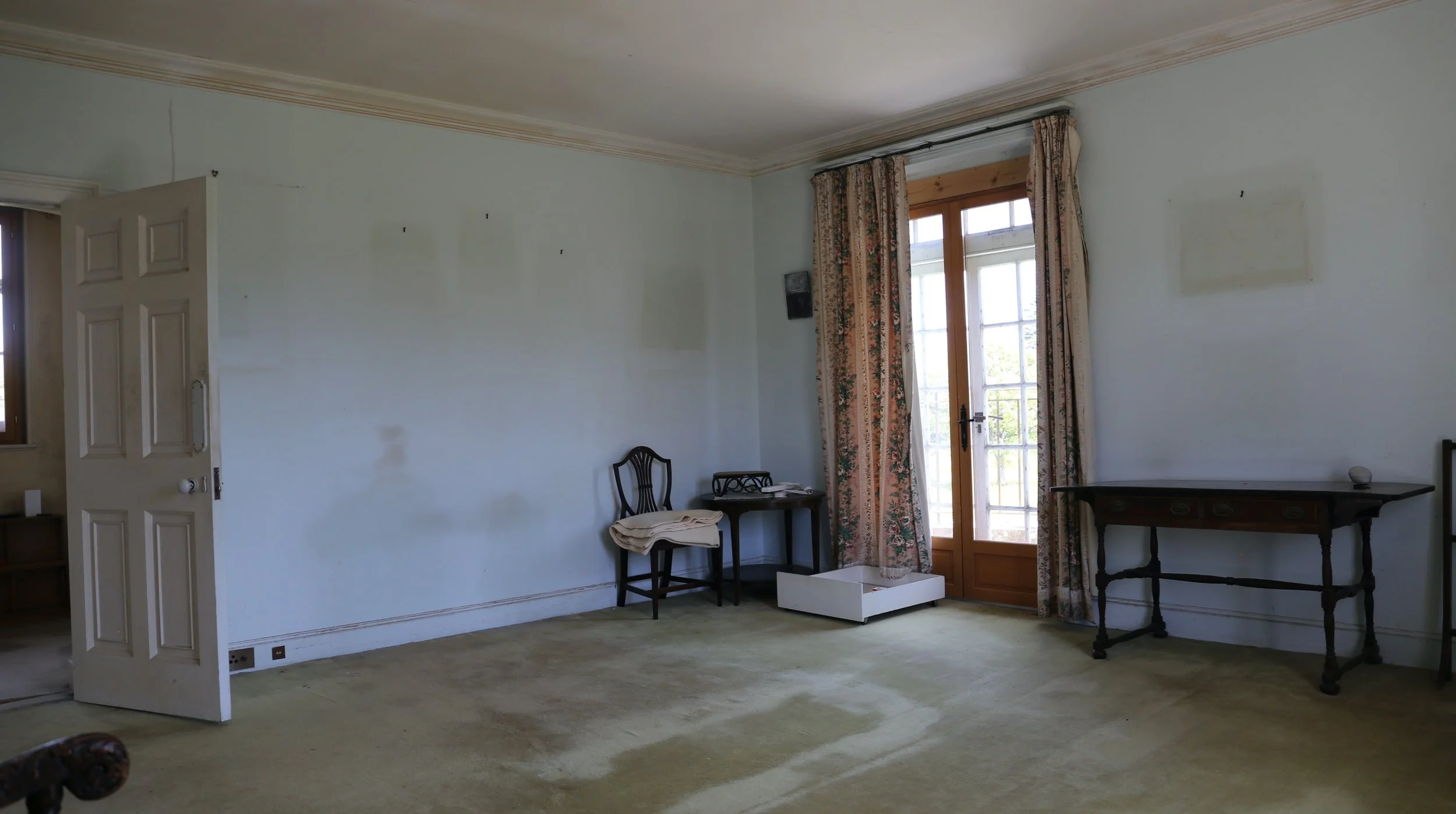
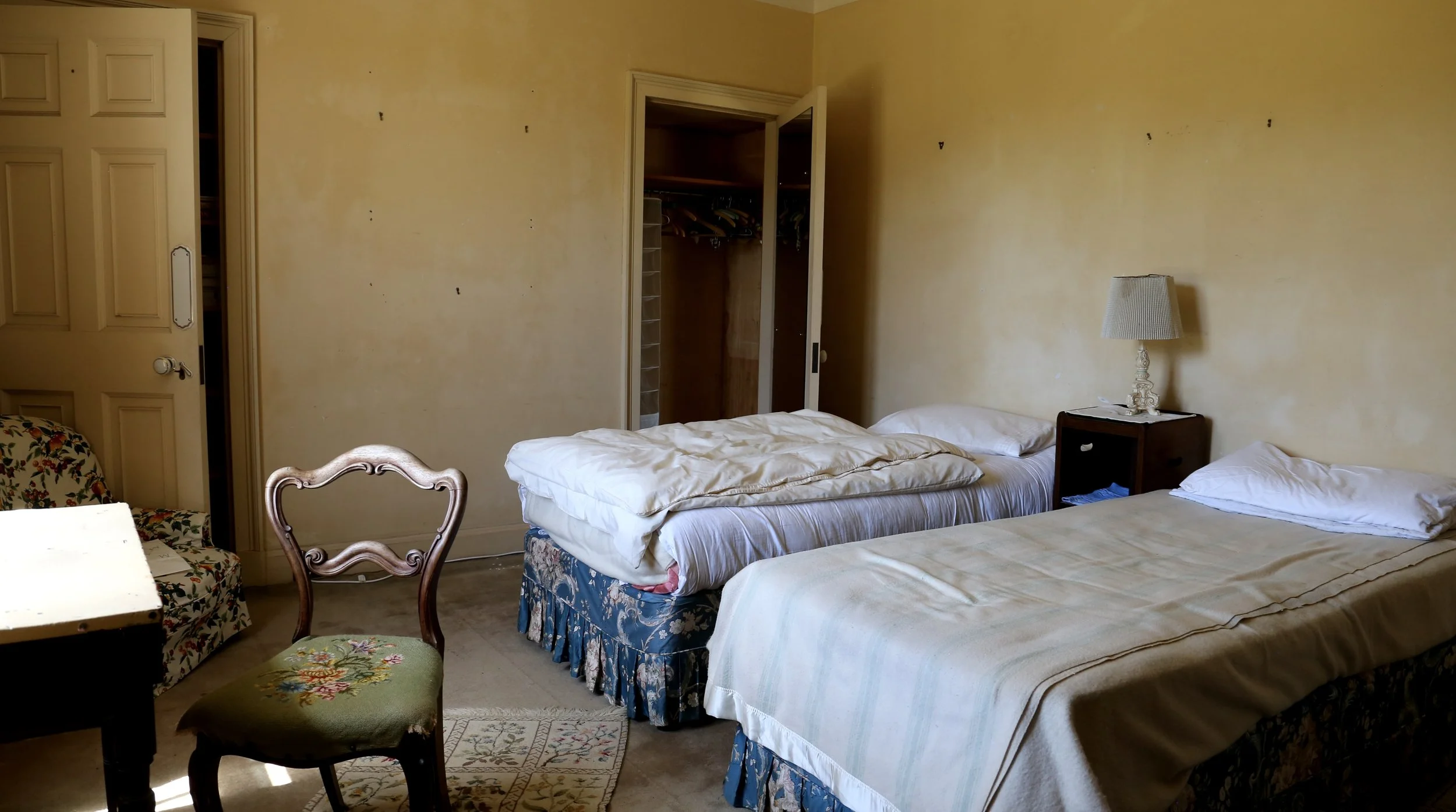
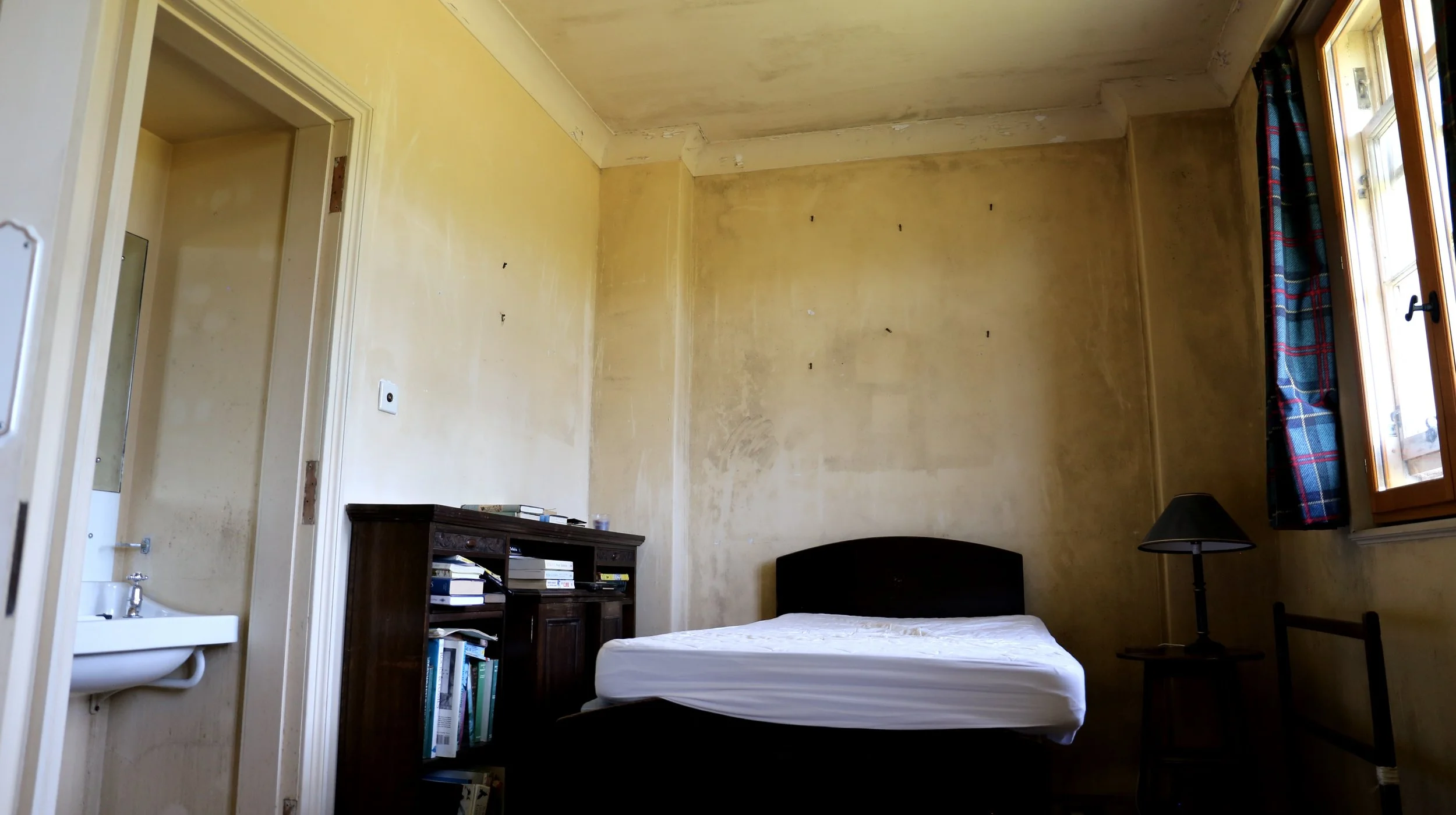
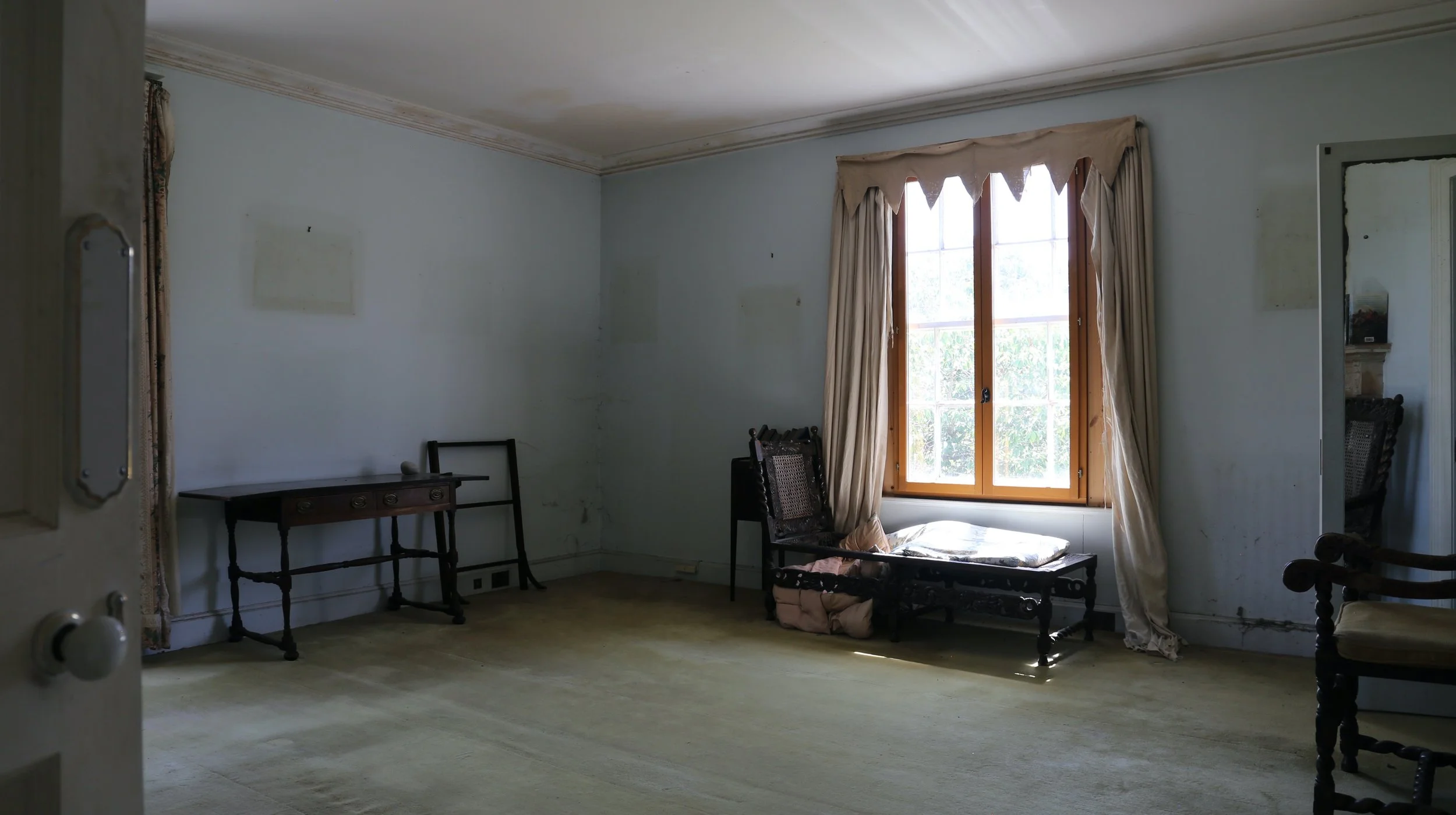
Internal Photos of Ulva House (2018)
Finding a future
Following the community buyout of Ulva in 2018, Ulva House was identified as a key asset within the wider island development plan. Its scale, condition, and prominence meant it had the potential to play a central role in both the island’s economy and its cultural life.
In 2021, the charity commissioned a detailed design and feasibility study to explore how the building could be brought back into use. Off the back of it, a combined heritage and income-generating model was proposed, creating:
a visitor and exhibition centre
flexible meeting and community space
self-catering accommodation to generate revenue.
The study also identified the scale of work required to bring the building back into viable use, including roof repairs, structural works, new services, and improved access infrastructure.
This work fed directly into the development of the Stòras Ulbha project, which secured almost £1.5m in funding and advanced to an early delivery stage. However, external pressures including COVID, Brexit and rapid increases in construction costs ultimately made the project unviable within funding constraints.
Following this, an alternative approach identified by the study was explored: a hospitality-based use through a long-term lease model, allowing the building to return to active use while remaining in community ownership.
A formal tender process was undertaken to identify suitable tenants, from which Ro and Banjo were selected based on their proposal, experience and long-term vision for the building.
Bringing the building back into use
Following detailed discussions, the lease was signed in June 2025. The charity, as landlord, agreed to deliver a defined package of essential works, including:
asbestos removal and management
repairs to the flat roofs
reconnection of electricity.
Ro and Banjo have taken on responsibility for the remaining external and internal works, including the full fit-out required to turn the building into a functioning hospitality business.
Their experience of taking on Ulva House has also featured in the BBC Scotland series Banjo and Ro’s Grand Island Hotel.
Delivering this project has been a collaborative process, requiring coordination, problem-solving, and flexibility — particularly given the challenges of a remote island.
Support that made it possible
The essential works, which the charity was responsible for, were carried out over the period of 6 months, between June 2025 and December 2025, and could not have been possible without the support from:
The Scottish Government’s Community Ownership Fund
Historic Environment Scotland
The Waterfall Fund
Development Trusts Association Scotland.
The local fish farm, Bakkafrost, have provided free freight transport throughout the project and for many years across Ulva more widely. Support of this kind makes a significant difference to delivering projects for a remote island like Ulva.
The project has involved a wide range of contractors, consultants and specialists, including local construction firm as principal contractor for the physical works package, alongside surveyors, architects, utility providers and tradespeople who have helped move the project forward.
Projects of this scale inevitably create periods of disruption on a small island, and the understanding and practical help shown by residents has been instrumental.
Project funded by



Today
Ulva House has now entered a new phase, with tenants Ro and Banjo leading the building’s next stage of redevelopment and bringing it back into active use.
The long-term aim is for Ulva House to:
provide high-quality accommodation
create local employment
support Ulva’s economy.
Although there’s significant work ahead, after years of planning, development work and enabling repairs, Ulva House is now moving forward with a clear and deliverable future.
Support this work
Projects like Ulva House are only possible through a combination of external funding, practical support, and a huge amount of time and effort from the people involved along the way.
As Ulva is community owned and managed by a charity, investment into buildings, infrastructure and long-term development depends heavily on continued funding, partnerships and donations
Donations help the charity continue caring for and improving the island — helping ensure Ulva remains a living, working and growing community.
Donate on Enthuse