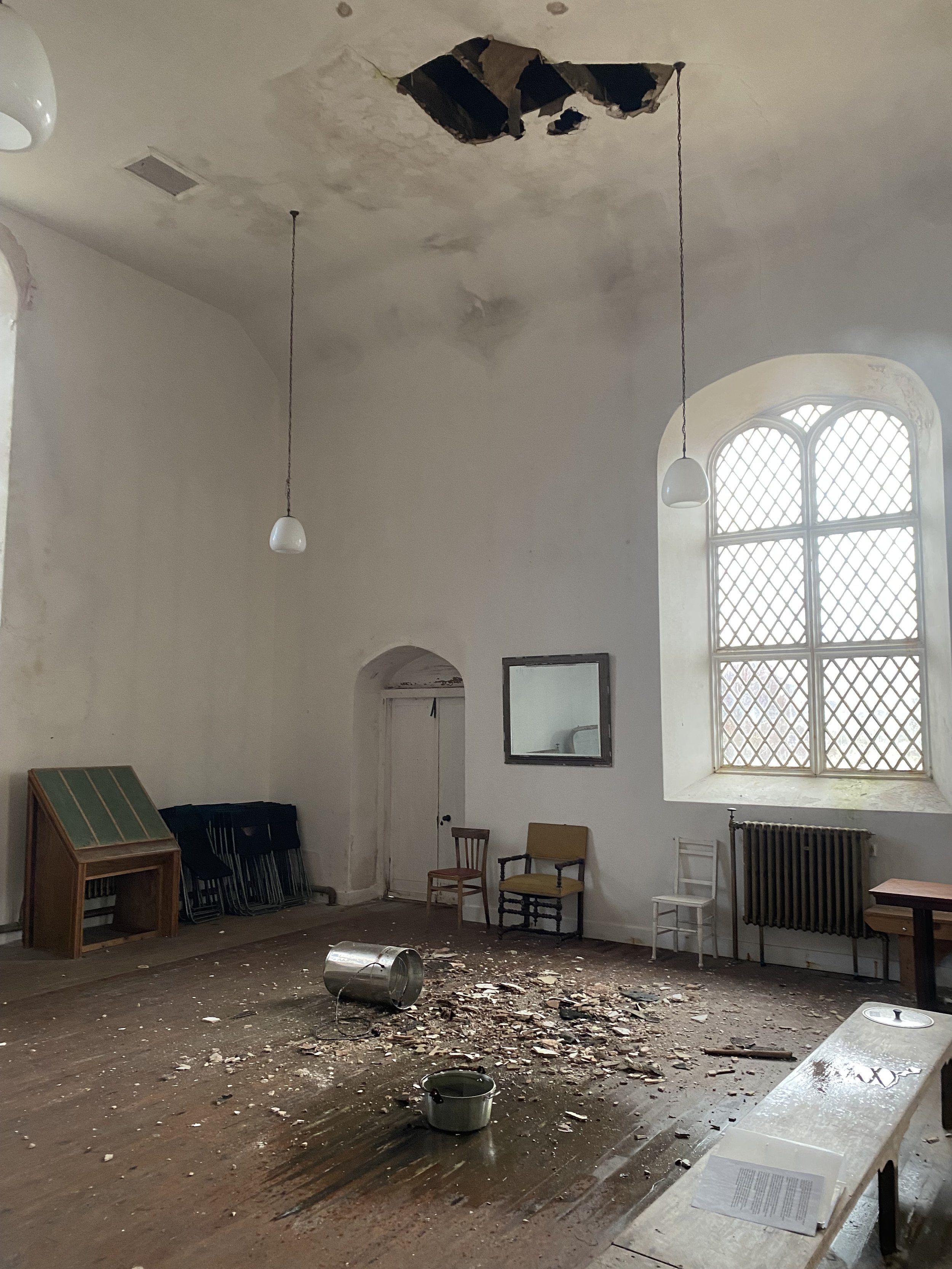
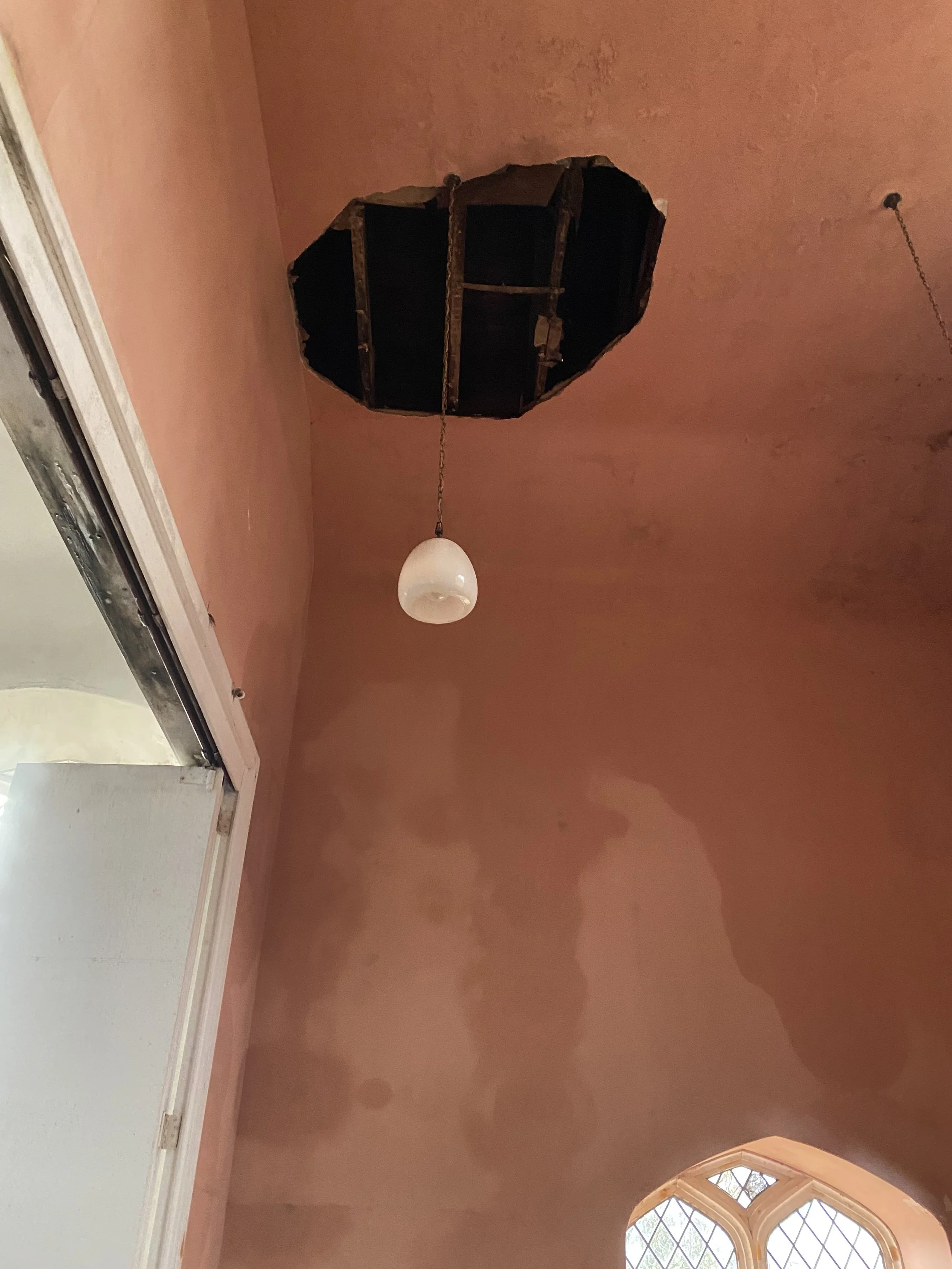
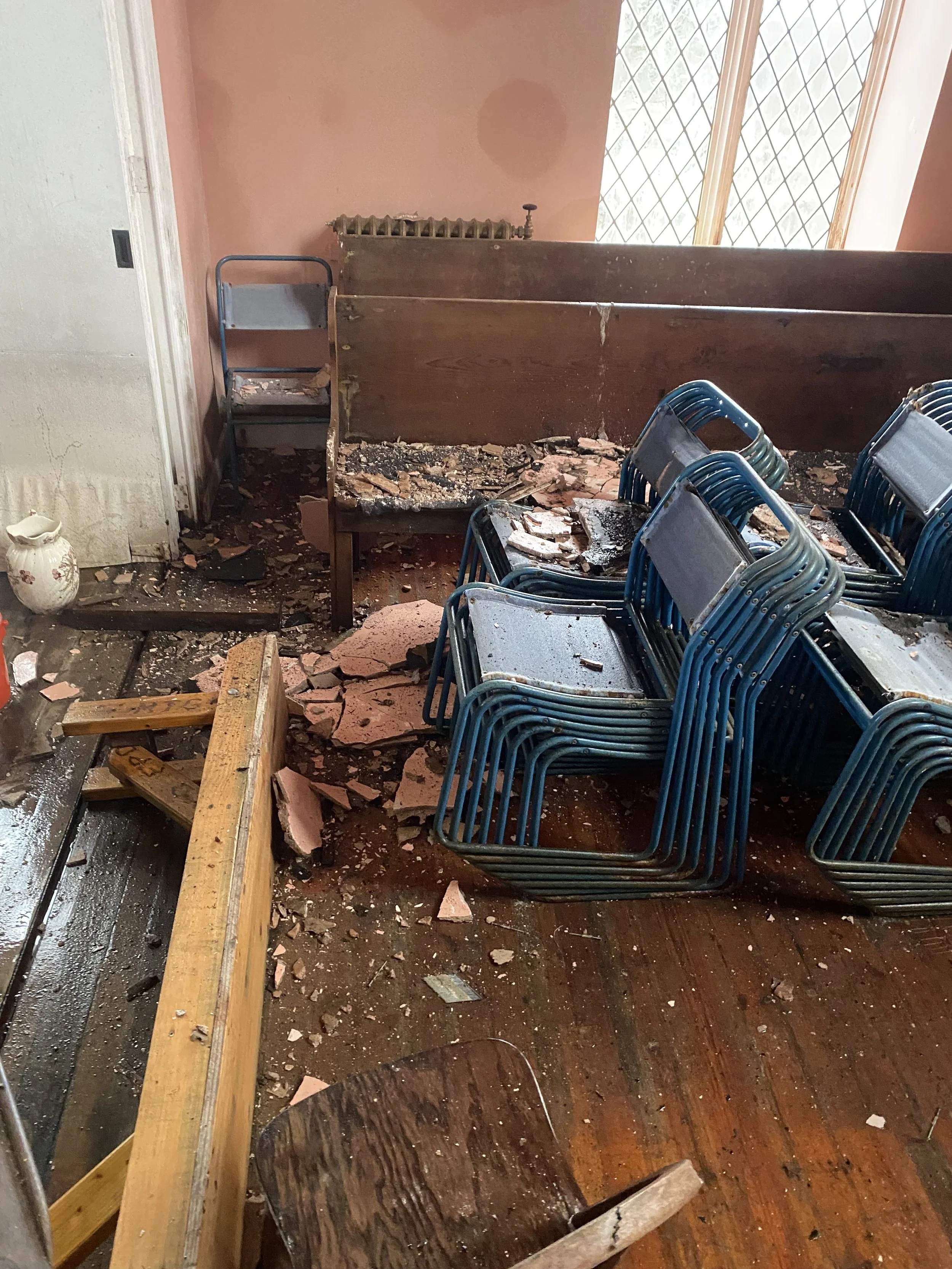
We’re sorry – Ulva Church is currently closed due to safety concerns while efforts continue to secure funding for its restoration
About Ulva Church
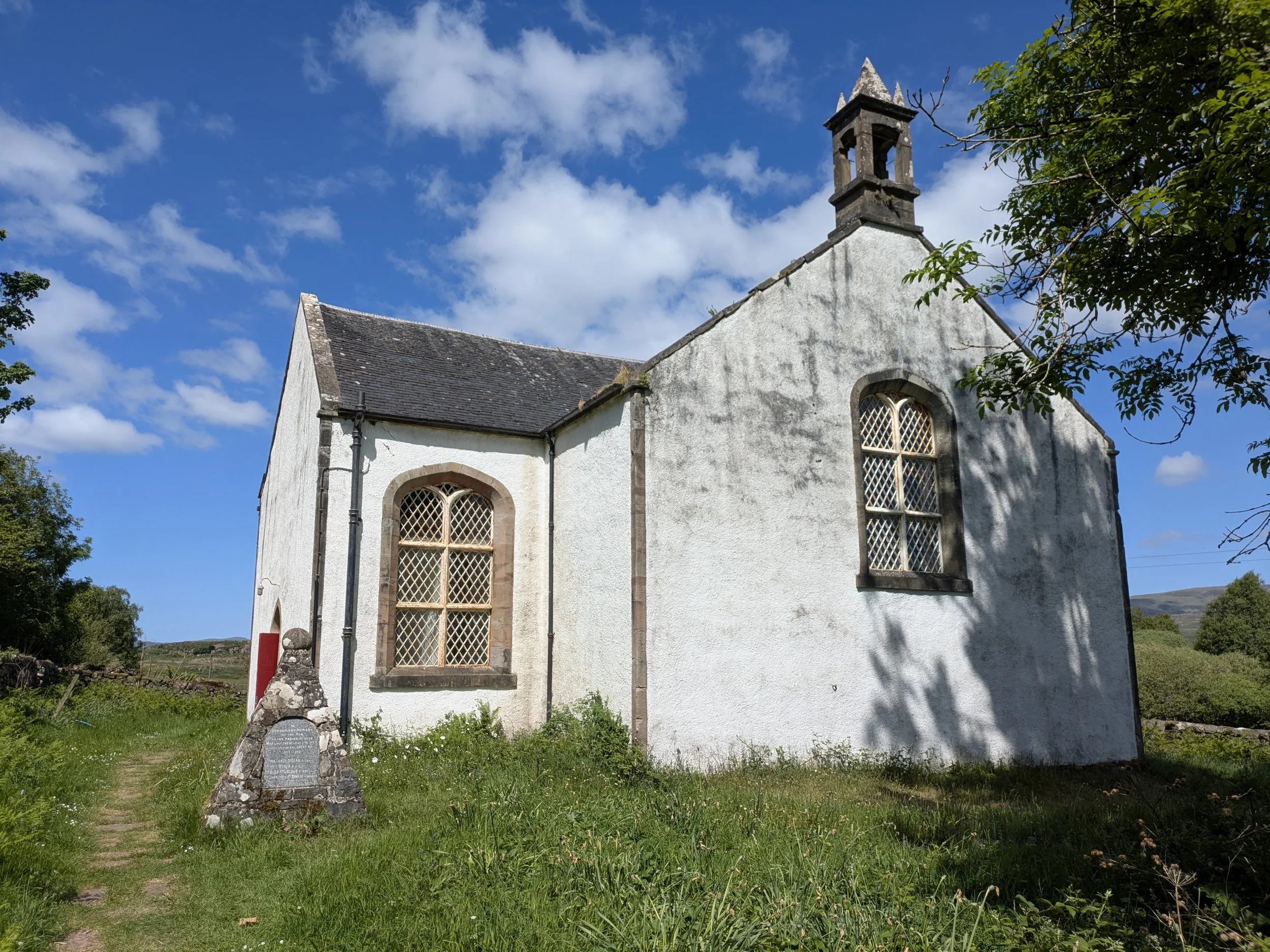
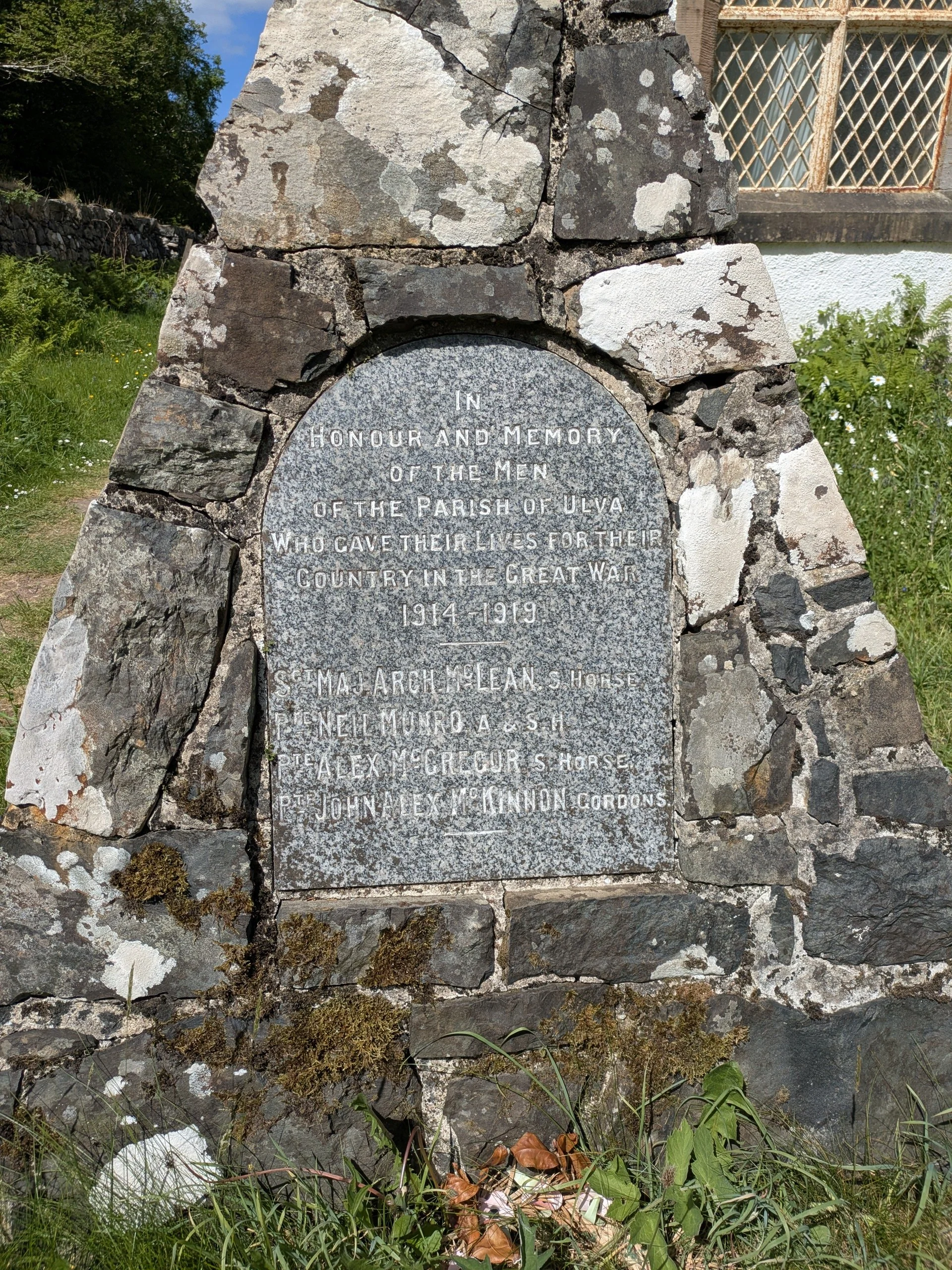
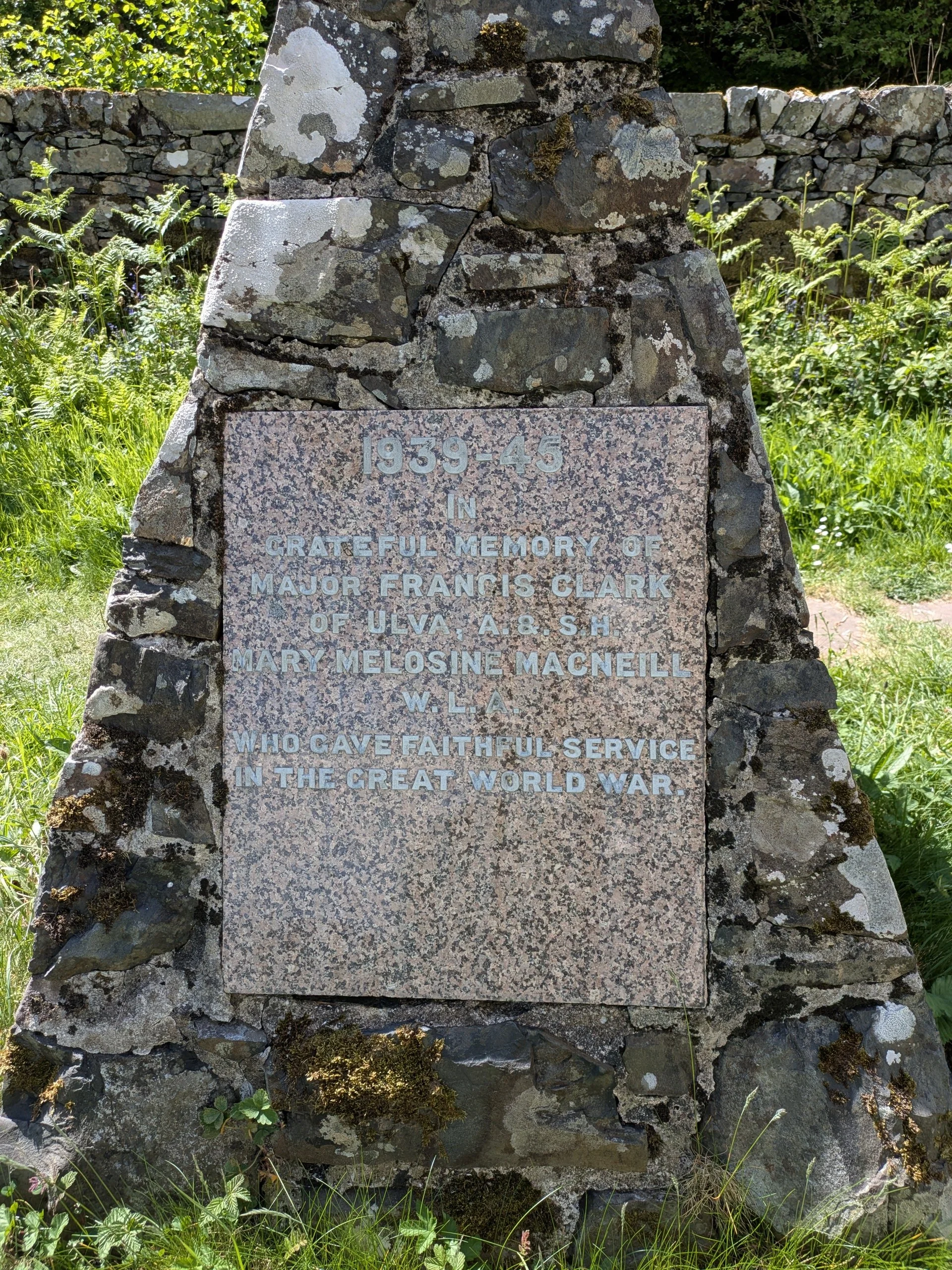
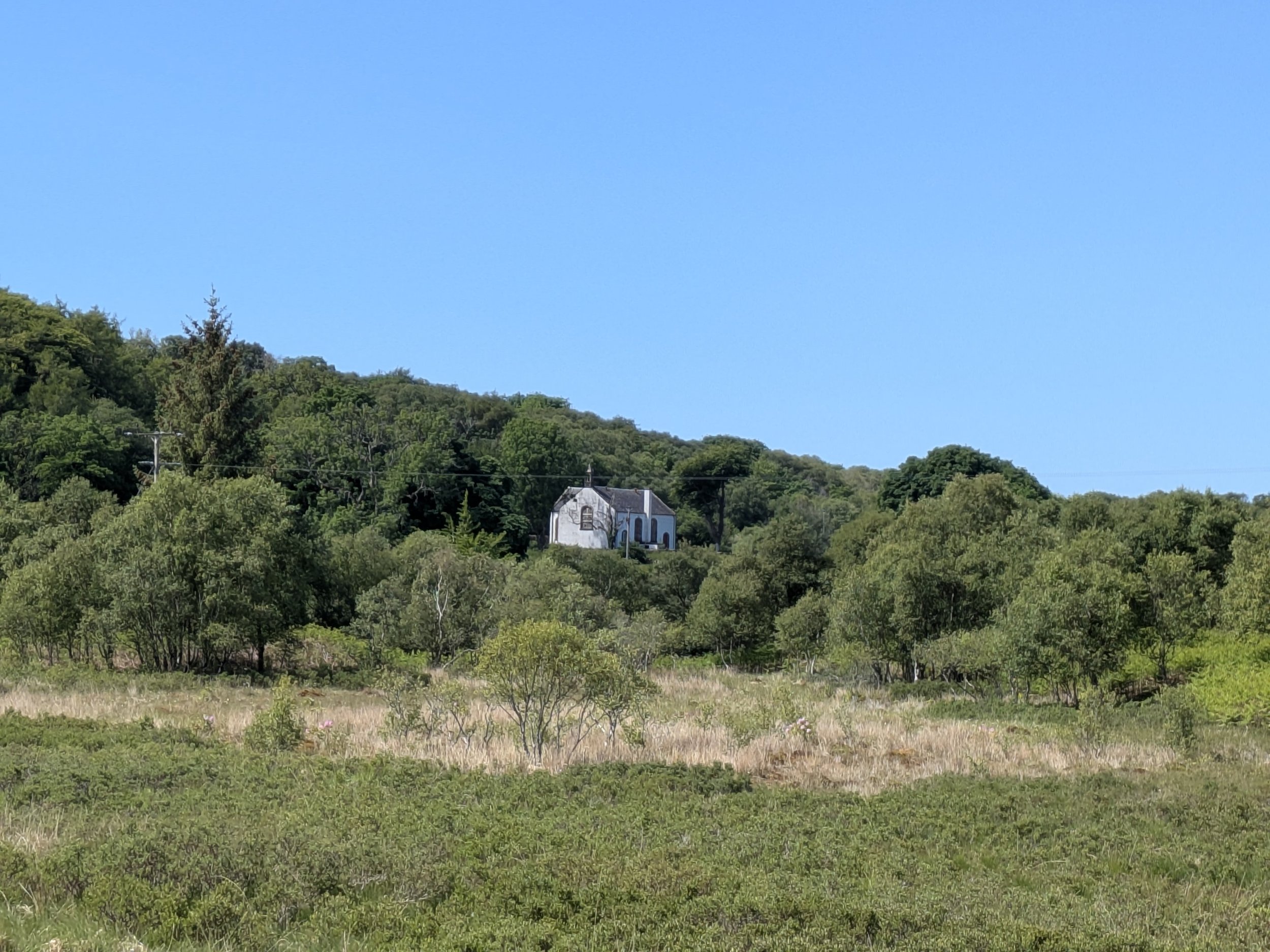
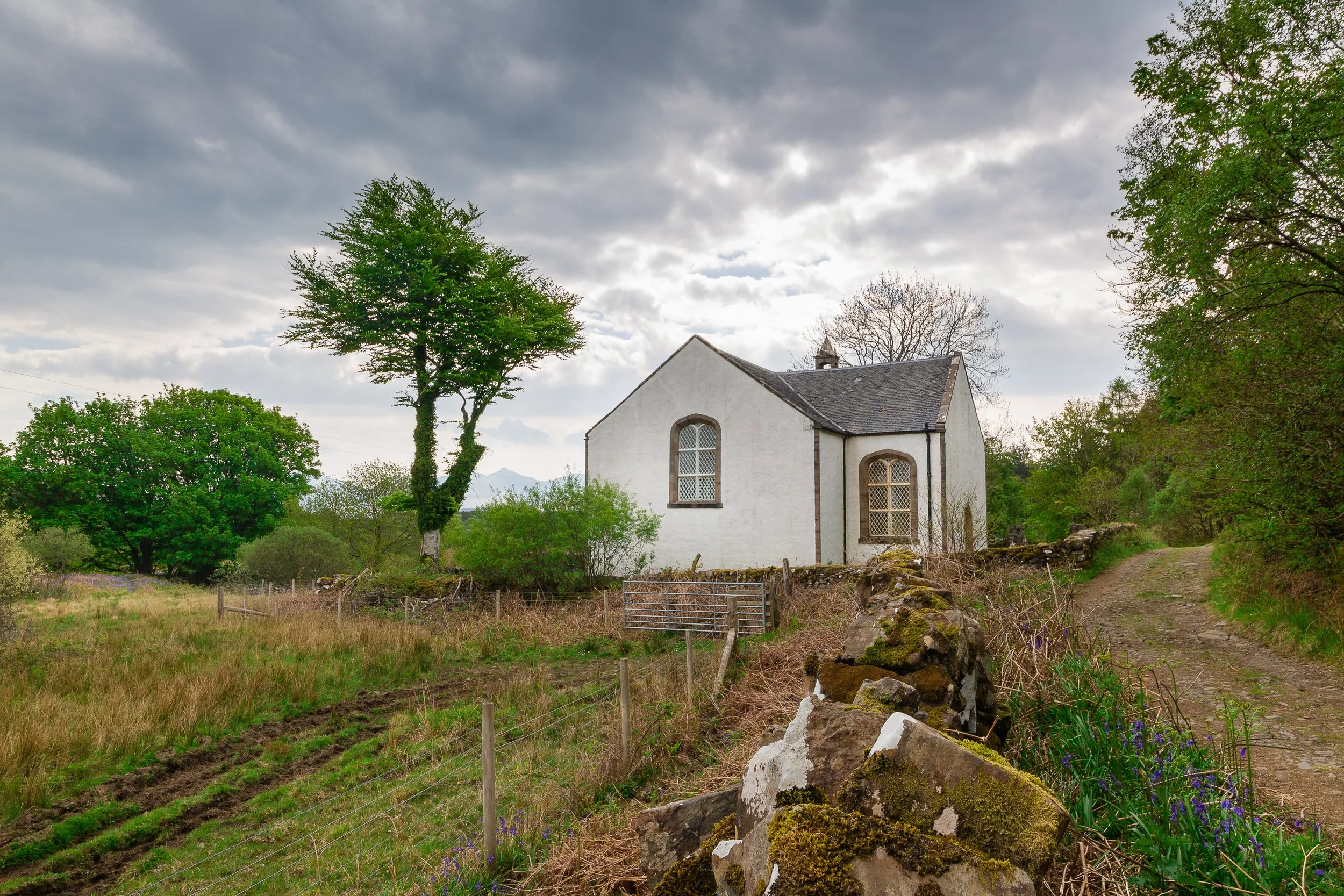
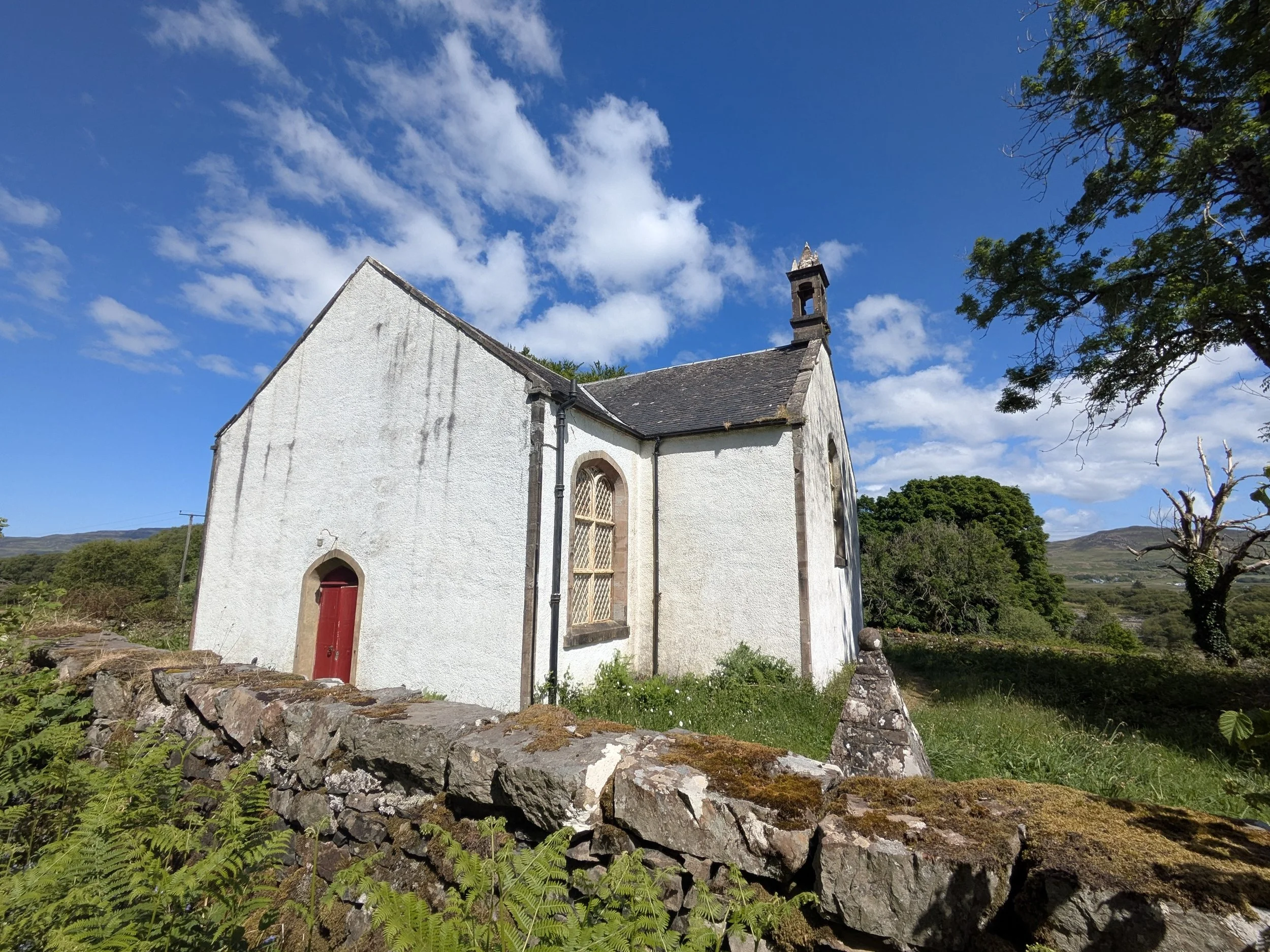
Ulva Church sits at the heart of Ulva’s landscape and history. Built in 1828, it is one of the Highlands and Islands “Parliamentary Churches” associated with Thomas Telford, created as part of a nationwide effort to improve access to worship in remote communities across Scotland.
The church and manse were completed together in 1828 at a recorded cost of £1,495, 14 shillings and 1 penny. Like many Telford churches, Ulva Church followed a simple and practical design intended for Highland conditions. The focus was on gathering people close to the pulpit, reflecting the importance of preaching and spoken worship within Presbyterian tradition. Services on Ulva would historically have been conducted in Gaelic, serving what was then a much larger island population.
When the church was built, Ulva was a far more populated island than it is today. In 1841, the population stood at around 570 people. Just a few years later, large-scale clearances dramatically changed life on Ulva as many residents were displaced to make way for sheep farming.
Despite these changes, the church remained an important part of island life. In the mid-1950s, much of the building was converted into a community hall by the island’s owners at the time, Lady Congleton, helping it continue serving local needs as the population declined and community life evolved. Only part of the original church interior remained in ecclesiastical use. Alterations included new entrances, internal changes, and the addition of heating facilities to support year-round community use.
For decades, the building functioned not only as a place of worship, but also as one of Ulva’s key communal indoor spaces — hosting gatherings, events and day-to-day community activity. However, after years of weather exposure and limited resources for major repairs, the building has now closed due to its deteriorating condition.
Today, Ulva Church remains one of the island’s most historically significant buildings and an important reminder of Ulva’s changing social history, while work continues to explore a sustainable future for the building..
Much of the historical information on this page has been informed by research and records from Historic Environment Scotland, the Mull Historical and Archeological Society, and Undiscovered Scotland.
Finding a future
Since Ulva came into community ownership in 2018, a wide range of work has taken place across the island. Early priorities focused on areas where action was most urgently needed, including improvements to housing and gradual upgrades to essential infrastructure such as the pier and water supply.
Throughout this period, residents continued to look after the church as best they could. However, like many historic buildings in remote island locations, the challenges of maintenance, weather exposure and limited funding gradually took their toll, and the building’s condition continued to deteriorate.
Bringing Ulva Church back into use is not simply about repairing the building itself. It also means finding a future that is financially sustainable, sensitive to its history, and genuinely useful to the island community.
“I would love to see the church made structurally sound and brought back to life for the benefit of both the local community and visitors. It’s a building with deep roots and quiet dignity (…) A revitalised church could truly become a shared asset for the Isle of Ulva and beyond."
Ulva Resident
In September 2025, a three-year Ulva Church Development Plan was created to guide this process. The plan sets out a phased approach to understanding the building, addressing urgent risks, exploring future uses and developing a long-term strategy for restoration.
In March 2026, an initial concept study exploring the future of Ulva Church was published. Funded through the Argyll and the Islands Community Led Local Development (CLLD) Fund, provided by the Scottish Government, and delivered by New Practice, the study marked an important step towards bringing the building back into community use.
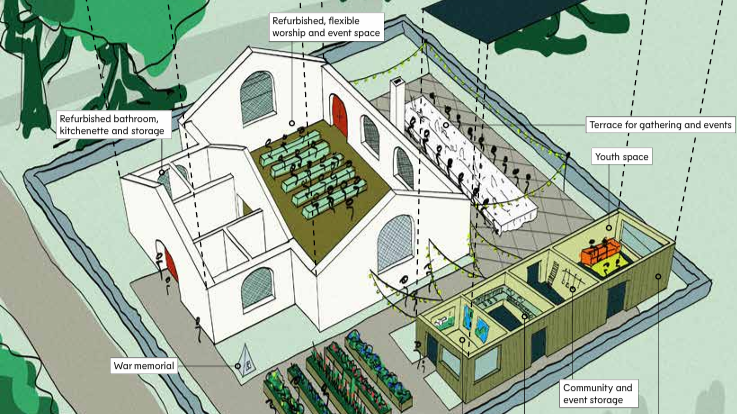
The study combined community consultation, professional assessment and early-stage design work to explore what the future of the church could look like. Feedback showed strong support for restoring the church as a simple and flexible shared space — somewhere that could support community gatherings, cultural events, occasional services and a small number of carefully managed private events such as weddings.
“The church should stay simple and useful.”
“It needs to feel like it still belongs to the island.”
“Even closed, it still feels like the heart of the community.”
“The building matters because people still care about it.”
Feedback from community survey
The aim is to restore the church as a simple, flexible and financially sustainable space that continues serving the island community while helping support the long-term care of the building itself.
The project remains at an early stage, but the concept study established a clear foundation for the next phase of work.
You can access both the Ulva Church Development Plan and the full Concept Study by clicking on the buttons below:
Early concept illustration produced as part of the 2026 Ulva Church study by New Practice.
Next phase
Funding has now been secured to move Ulva Church into the next stage of development: the detailed conservation and technical work needed before any major repair works can begin.
This next phase will include specialist surveys, conservation and design input, structural advice, cost planning and work to understand the permissions and practical steps needed to repair and reuse the building.
A small amount of funding has also been secured for urgent stabilisation work, helping to prevent further deterioration while the longer-term plans are developed.
The church remains closed to the public for safety reasons and is still in urgent need of repair, particularly to the roof. However, this funding is an important step forward. It allows the charity to move from early concept work into the technical development needed to create a clear, deliverable plan for the building’s future.
Support that makes it possible
Support from the Argyll and the Islands Community Led Local Development (CLLD) Fund — provided through the Scottish Government’s CLLD programme — has been central to kick-starting and to moving the Ulva Church project forward.
CLLD funding helped support the first concept stage, allowing NWMCWC to explore possible future uses for the building and begin shaping a realistic direction for its repair and reuse. The Fund is now also supporting the second stage of development work, alongside funding from the Architectural Heritage Fund.
The level of interest, engagement and support shown by residents, the wider Mull community and people further afield has highlighted just how important the building remains to many people.
Restoring a historic building on a small island is a long-term challenge and will require continued funding, specialist knowledge and practical support over a number of years.
If you feel you may be able to help — whether through professional expertise, volunteering, fundraising, sponsorship, or support towards future repair works such as the roof restoration — please get in touch.
Project funded through The Argyll and the Islands Community Led Local Development (CLLD) Fund and provided by the Scottish Government’s CLLD programme, and Architectural Heritage Fund


Support this work
Like the wider island, Ulva Church is community owned, and its future restoration will rely on a combination of grants, fundraising and donations.
Following years of exposure to harsh island weather, the building has suffered significant deterioration and is now closed to the public due to health and safety concerns.
Any donations would be hugely appreciated and will go directly towards supporting the future of Ulva Church — helping fund development work, emergency repairs and the next stages of the project to bring the building back into community use.
Donate on Enthuse