A New Chapter:
The Community Buyout
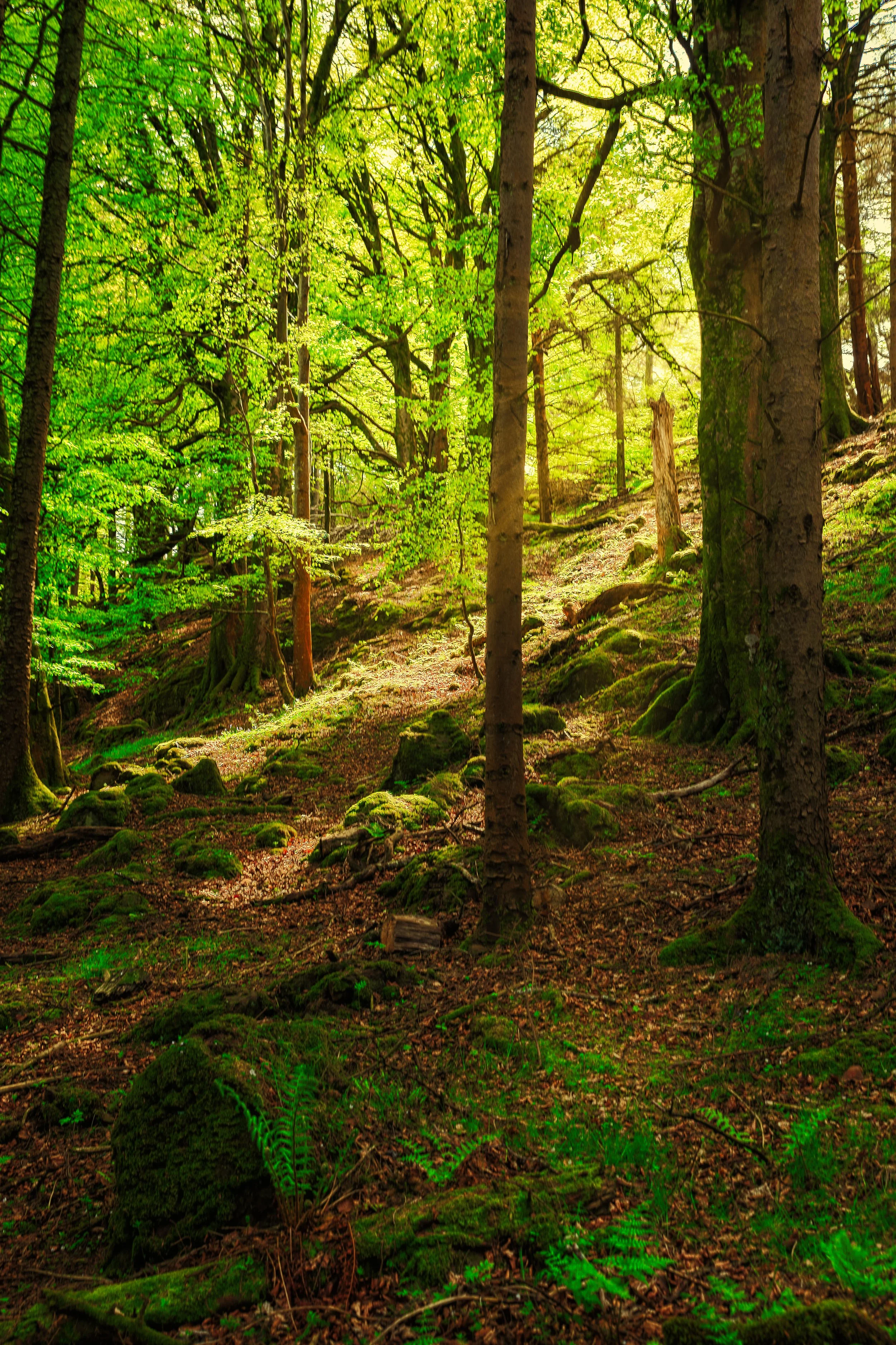
In 2018, the Isle of Ulva entered a new era when it was successfully purchased by the local community through one of Scotland’s most high-profile land buyouts. Led by the local charity, North West Mull Community Woodland Company, and supported by the Scottish Land Fund and a wave of public support, the buyout aimed to bring the island into local hands for the first time in centuries.
The goal was to revitalise Ulva’s population, restore its natural and built environment, and create sustainable opportunities for housing, employment, and tourism. Since the buyout, efforts have focused on improving infrastructure, restoring historic buildings, encouraging ecological stewardship, and laying the foundations for a resilient, community-led future. The buyout stands as a powerful example of community empowerment and the ongoing story of land reform in Scotland.
From Crofts to Clearances: Ulva’s Story of Change
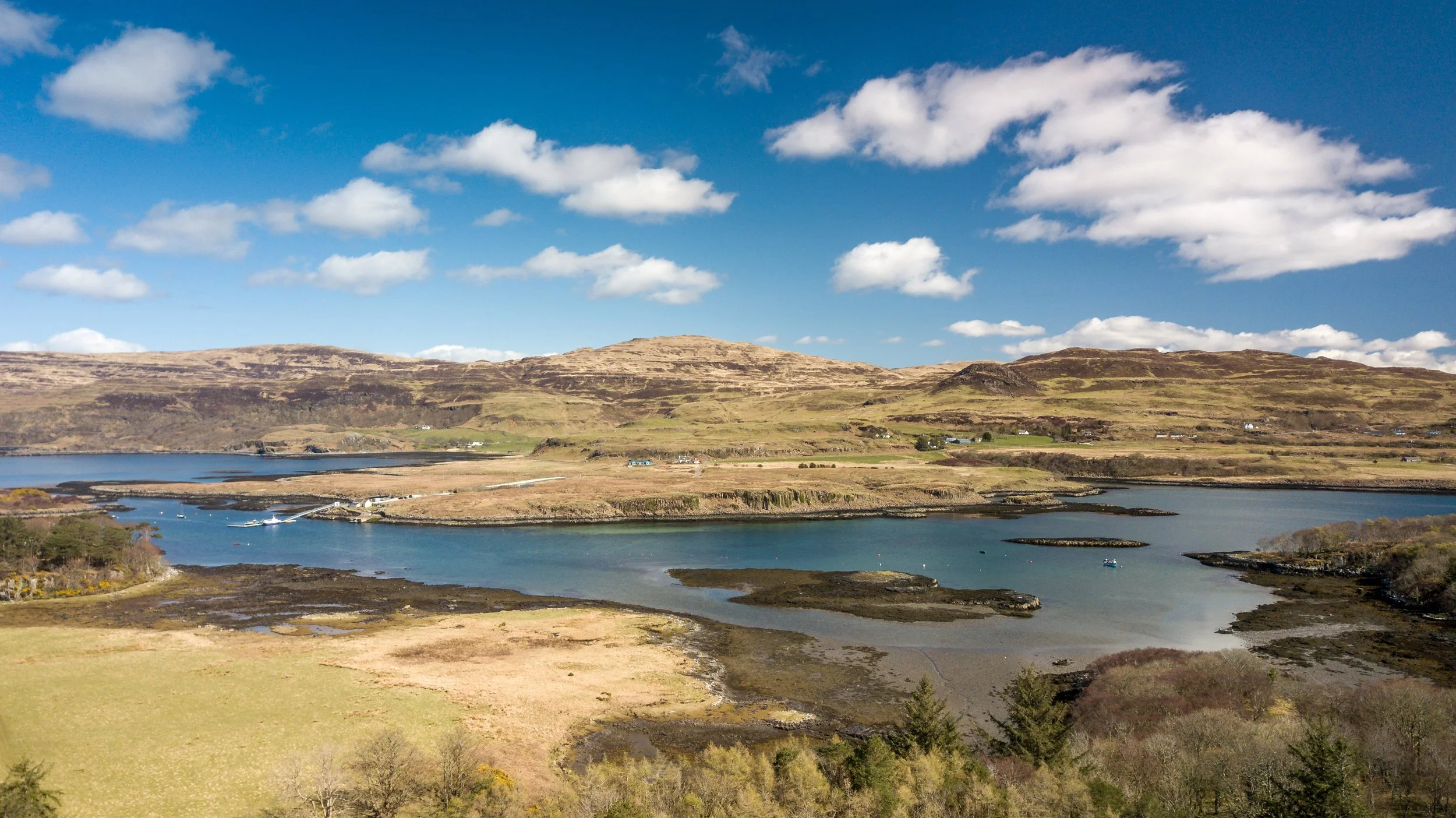
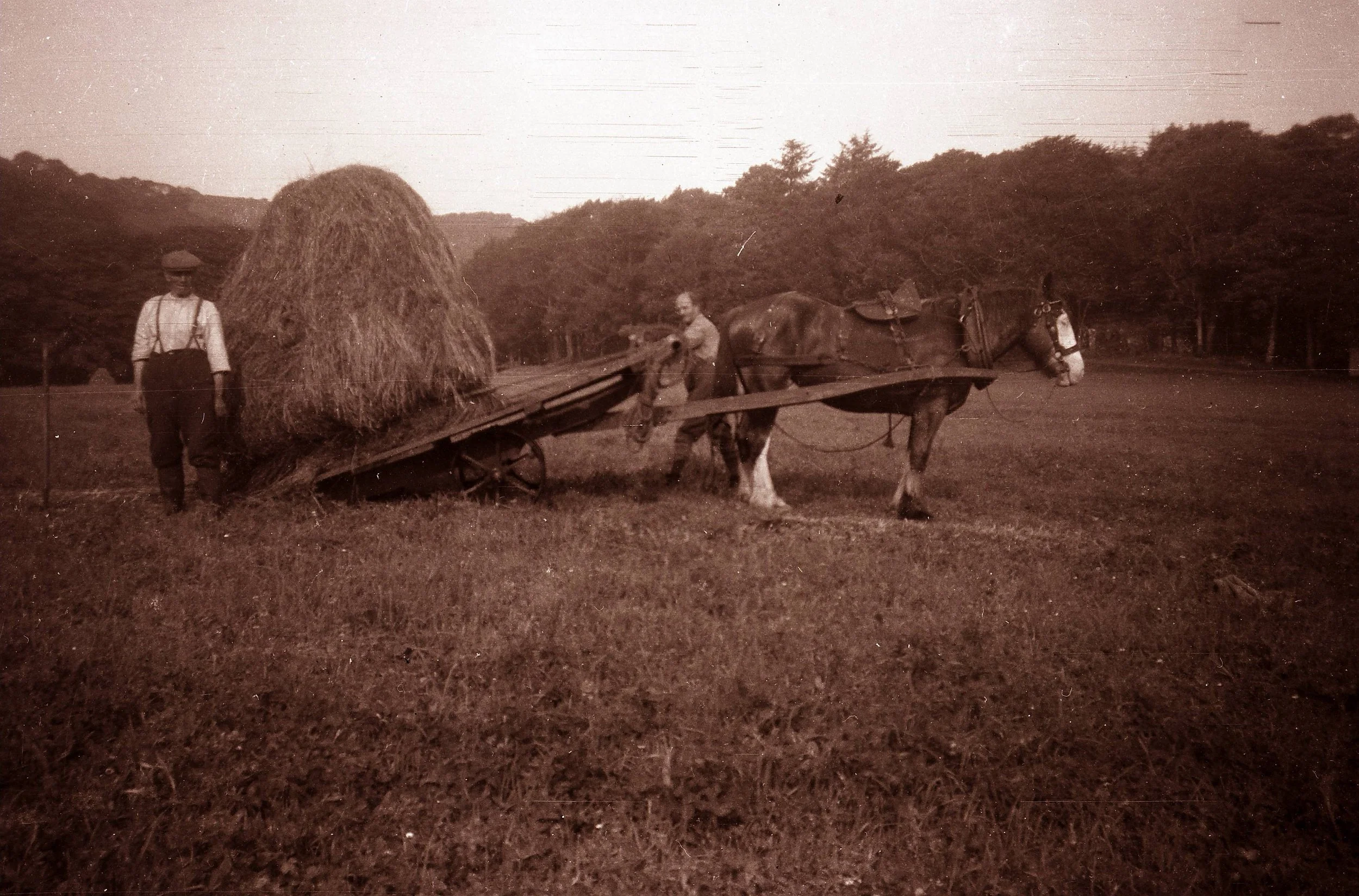
By the late 18th century, Ulva was a vibrant island community of over 800 people, living in small crofting settlements scattered across the landscape. Families supported themselves through farming, fishing, weaving, and kelp harvesting—a key industry at the time. Life was simple but self-sufficient, shaped by the rhythms of the land and sea.
The island was then owned by the MacQuarrie clan, whose most famous son, Lachlan MacQuarrie, was born on Ulva in 1762 and went on to become Governor of New South Wales. After his time, the island changed hands and was later acquired by the Campbell family, marking the beginning of a more turbulent era.
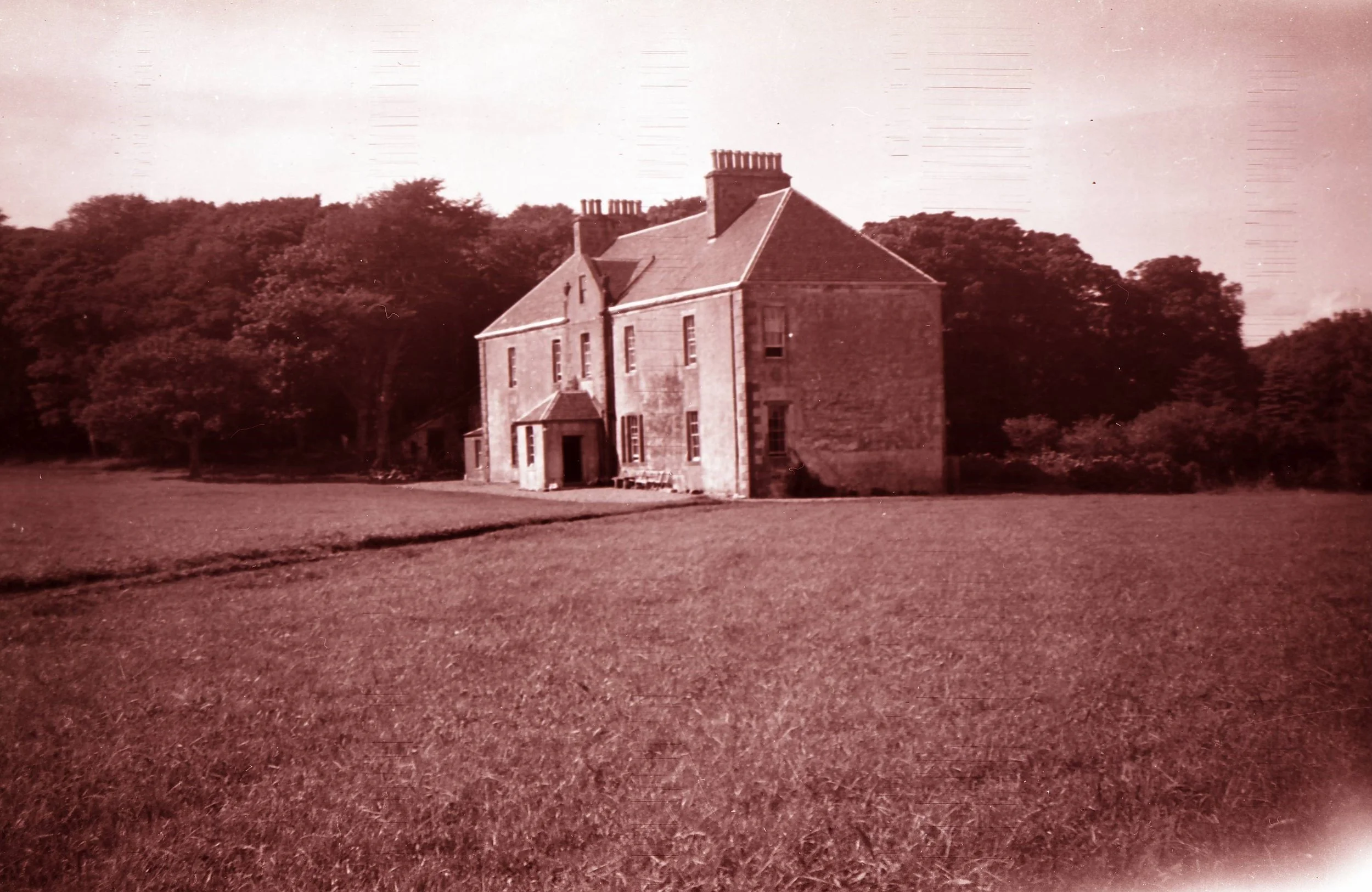
In the mid-19th century, Ulva was swept up in the Highland Clearances. The kelp industry had failed, the potato blight had caused famine on the west coast and tenants were unable to pay their rents or were starving. Some landowners were sympathetic to the problems and did their best to help the tenants but others were less so — clearing the people sometimes forcibly—to make way for more profitable sheep farming. Families who had lived on the island for generations were had to leave, many emigrating to North America, Australia, and beyond in search of a better life. By the 1880s, the once-thriving population had plummeted to under 100, and by the 20th century, only a handful of residents remained.
In 2018, after centuries of private ownership, Ulva began a hopeful new chapter when it was purchased by the local community, supported by the Scottish Land Fund. The goal is to breathe new life into the island—restoring its population, protecting its natural beauty, and honouring the stories of those who came before.
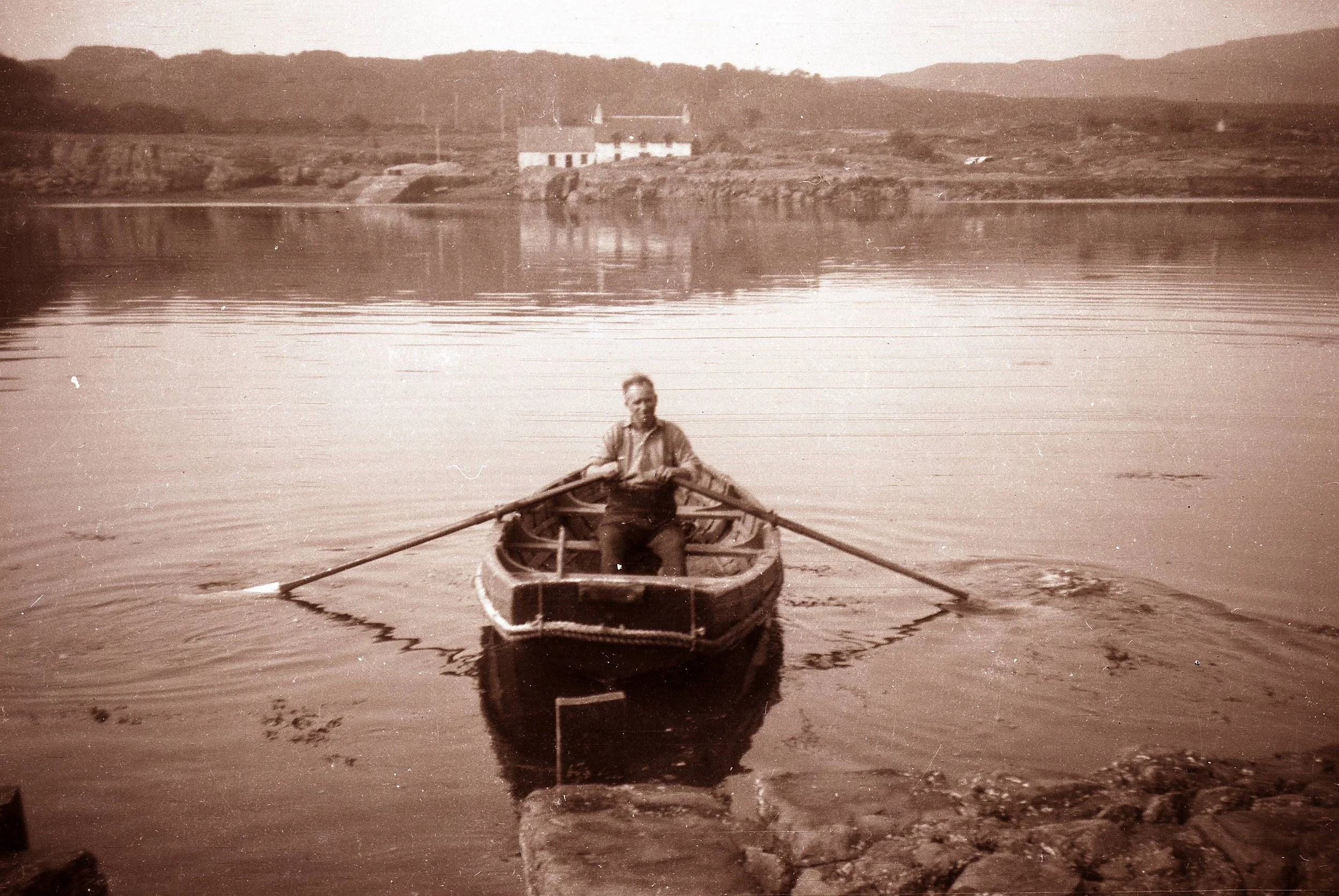
Footprints of the Past: Ulva’s Ancient Legacy
The Isle of Ulva has a deep and fascinating prehistoric legacy. Archaeological discoveries reveal that people have lived here for over 7,000 years, making Ulva one of Scotland’s longest-inhabited landscapes. Mesolithic hunter-gatherers once roamed its shores, leaving behind flint tools, shell middens, and traces of seasonal shelters in coastal caves. These early inhabitants relied on the rich marine life and wooded hills for food, fuel, and raw materials.
As the Neolithic period began around 4,000 BC, the people of Ulva transitioned to more settled ways of life, introducing farming, animal husbandry, and pottery. The land bears silent witness to this era through the remains of ancient field systems, stone tools, and burial cairns. During the Bronze Age, further cultural developments included the construction of ritual sites and standing stones—some of which still stand today, weathered but proud, scattered across Ulva’s rugged terrain.
In the early medieval period, Norse settlers arrived, giving the island its name: Ulbha, meaning “Wolf Island.” The Vikings brought with them new technologies, social structures, and place names that remain embedded in the local language and landscape. Evidence of their presence survives in the layout of ancient farms, boat landings, and long-abandoned Norse field systems.
Today, Ulva’s quiet paths and sweeping views hide thousands of years of human activity. Each stone, ruin, and ridge tells a story—from the first flint knappers to the Norse settlers—woven into the very fabric of the island. Exploring Ulva is like stepping into a living timeline of Scotland’s deep past.