Eat
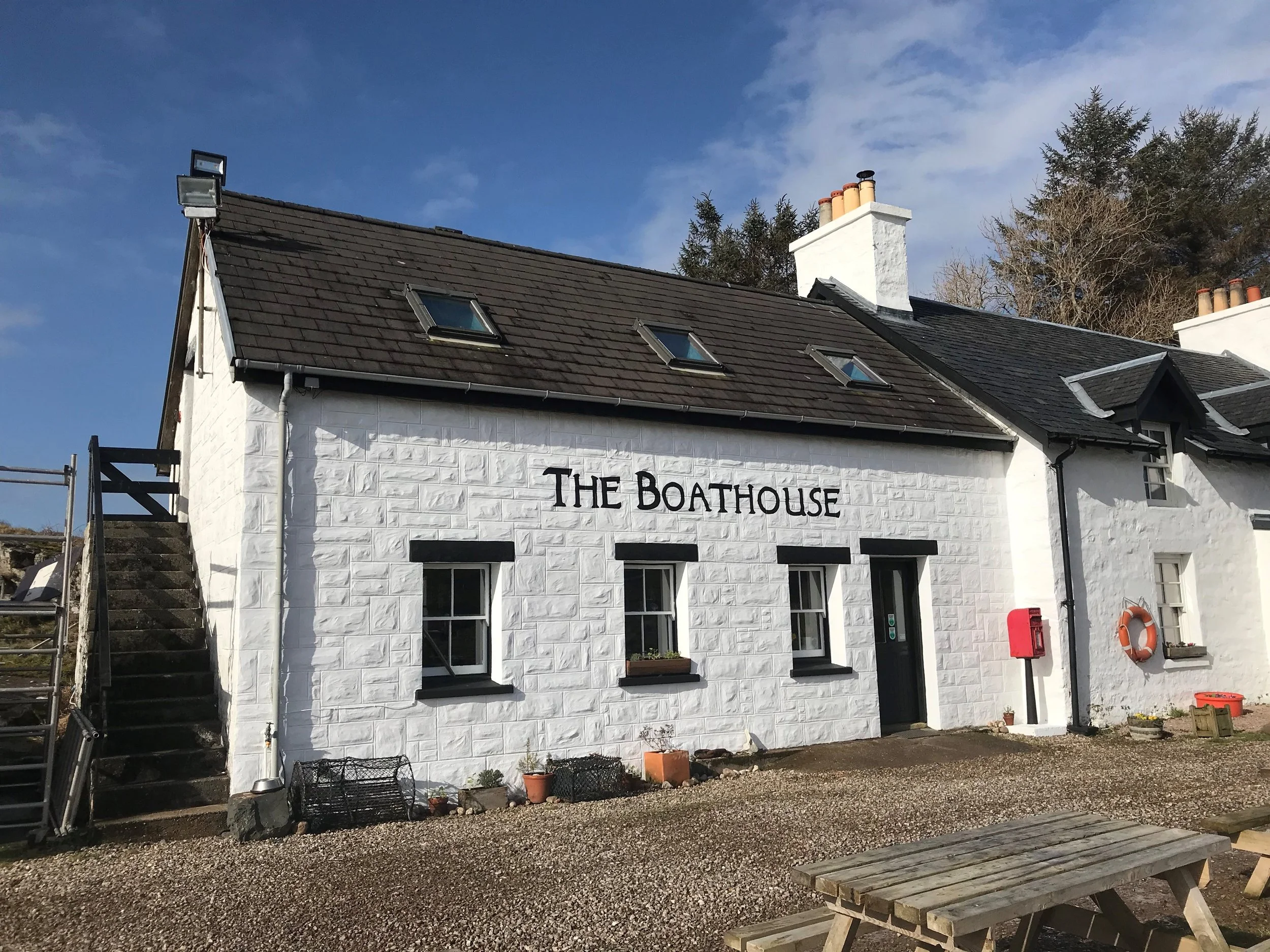
The Boathouse
“Tucked along the stunning west coast, The Boathouse is a destination for exceptional seafood, warm hospitality, and unforgettable views. With the freshest local catch served up in a relaxed, coastal setting, we celebrate everything the sea has to offer—on a plate and beyond.”
www.theboathouseulva.com
See
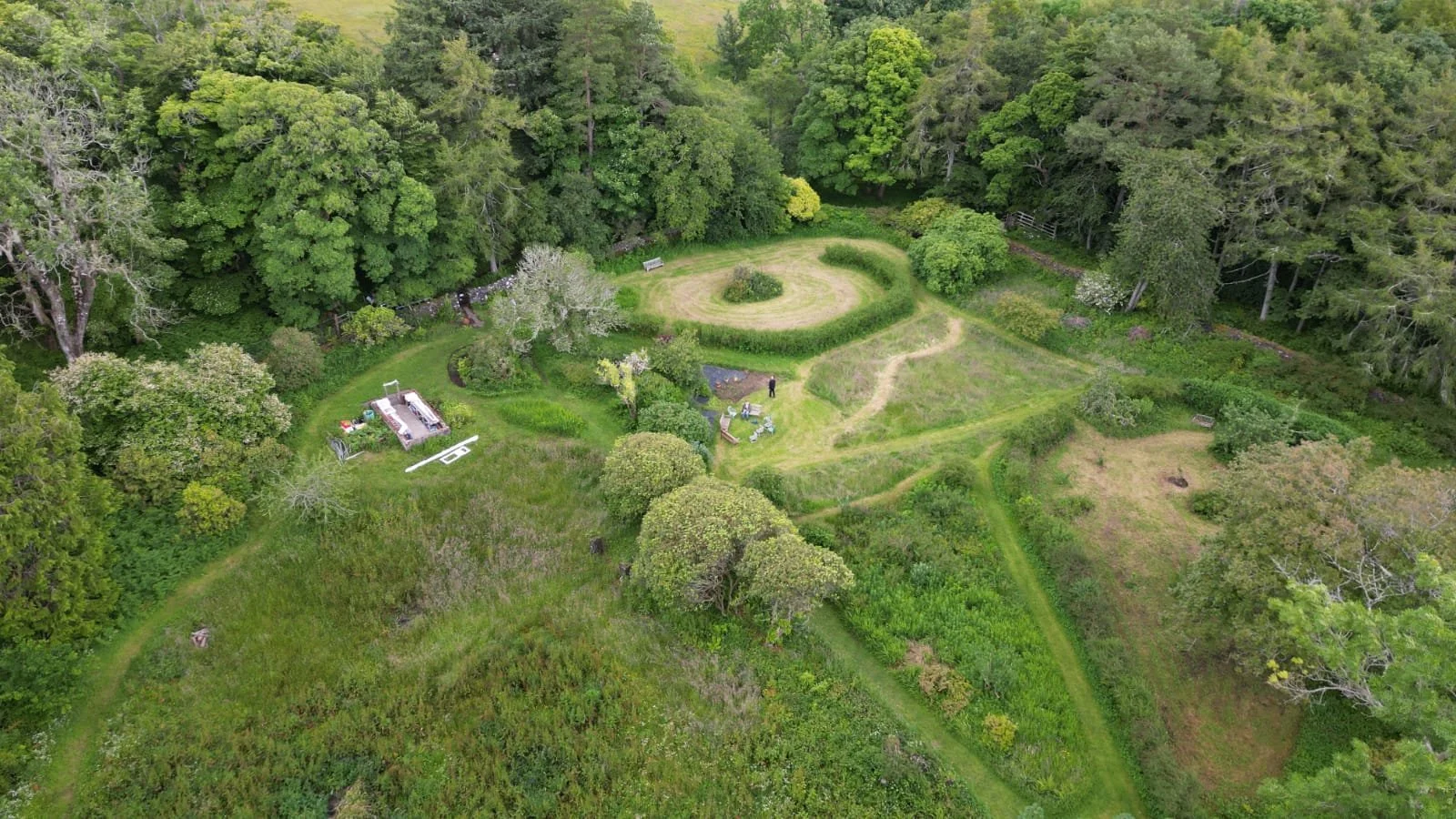
Ulva Walled Garden
Set beside Ulva House, the Ulva Walled Garden is a historic stone-walled garden and part of the island’s built landscape.
Since July 2018, it has been cared for by a volunteer group, Ulva Garden Force, which was formed to tidy and restore the garden. The group has made great progress, including the restoration of the historic greenhouse.
Follow their work on their Facebook page.
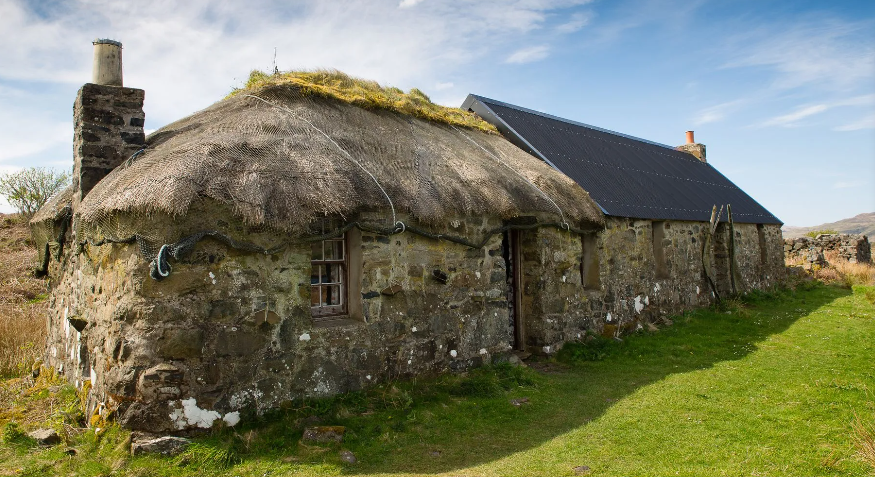
Sheila’s Cottage
Sheila’s Cottage, which dates back to the 18th century, is the only complete traditional thatched cottage on Ulva and is one of the few buildings visible from the ferry on its journey from Mull to the island, making it a familiar landmark for visitors.
The cottage is currently closed while renovation and re-thatching works are planned. The charity apologises that the building is not currently accessible and appreciates visitors’ understanding while this important conservation work is progressed.
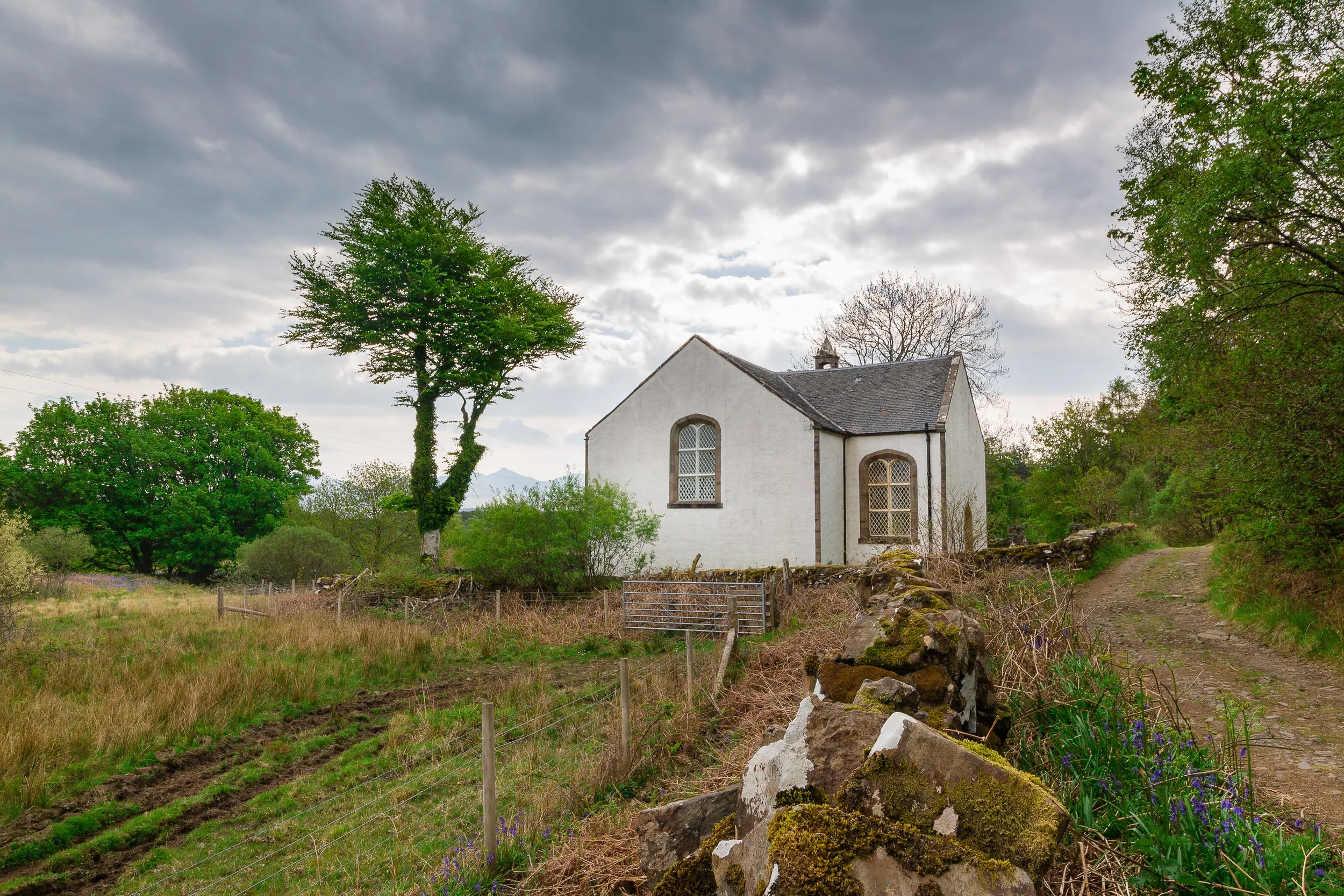
Ulva Church
Built in 1828, the Telford Church on Ulva is one of several "Parliamentary Churches" designed by the renowned engineer Thomas Telford. It was part of a government initiative to provide places of worship in remote parts of Scotland. Once a central part of island life, the church later became a community hall and remains a quiet reminder of Ulva’s social and religious heritage.
The church is currently closed due to significant roof damage. Support for its future care and conservation is welcome and much appreciated.

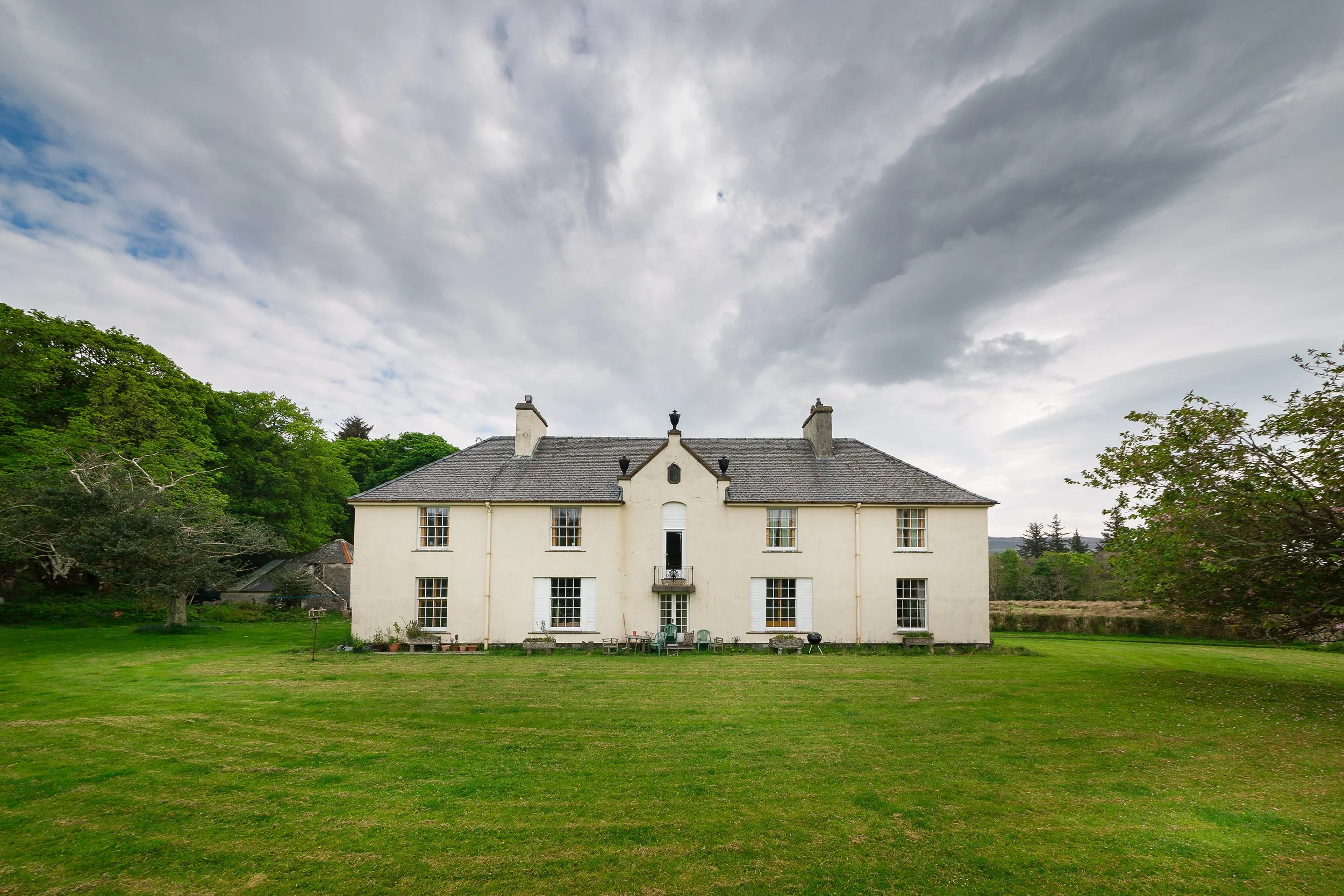
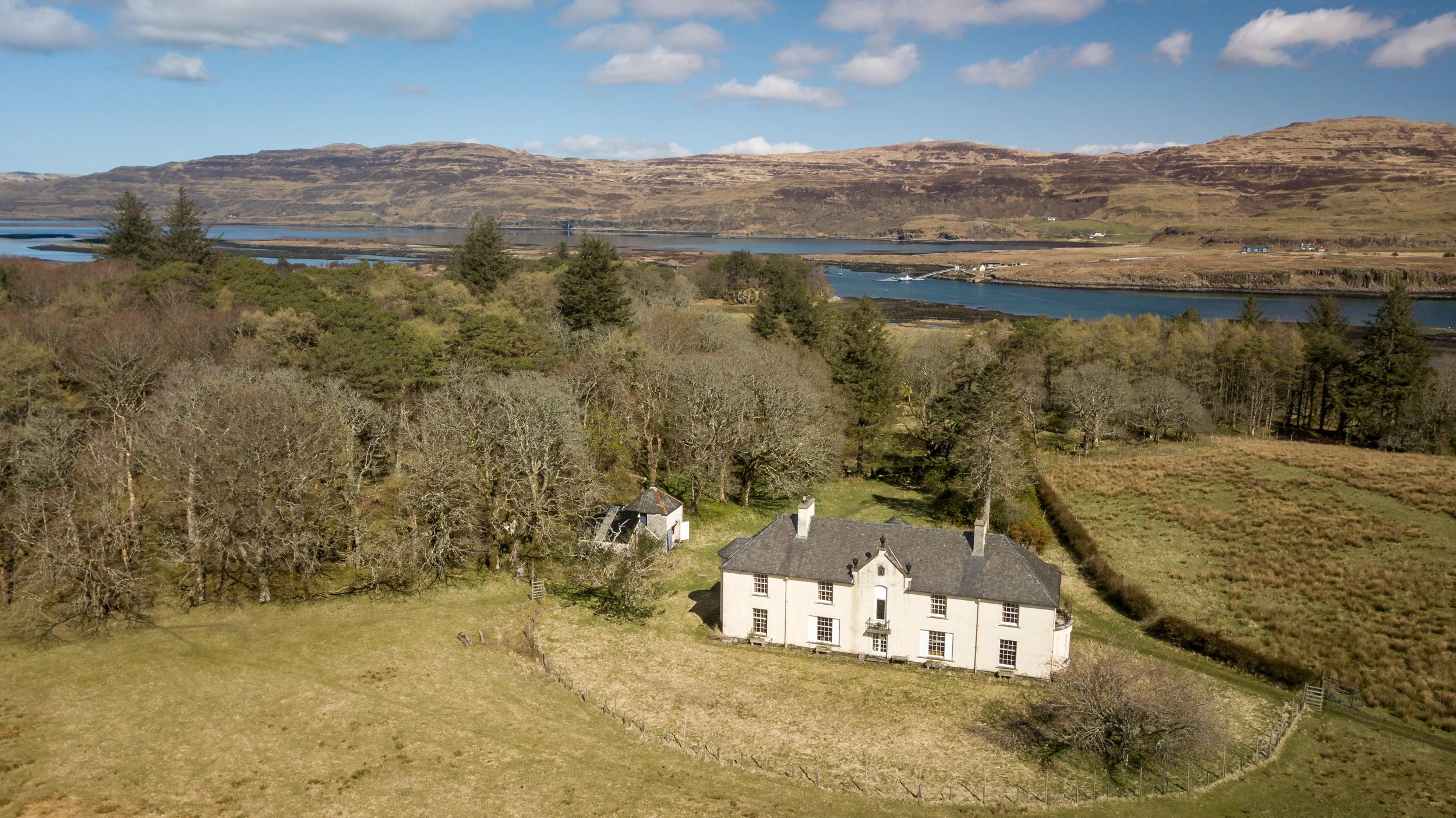
Ulva House
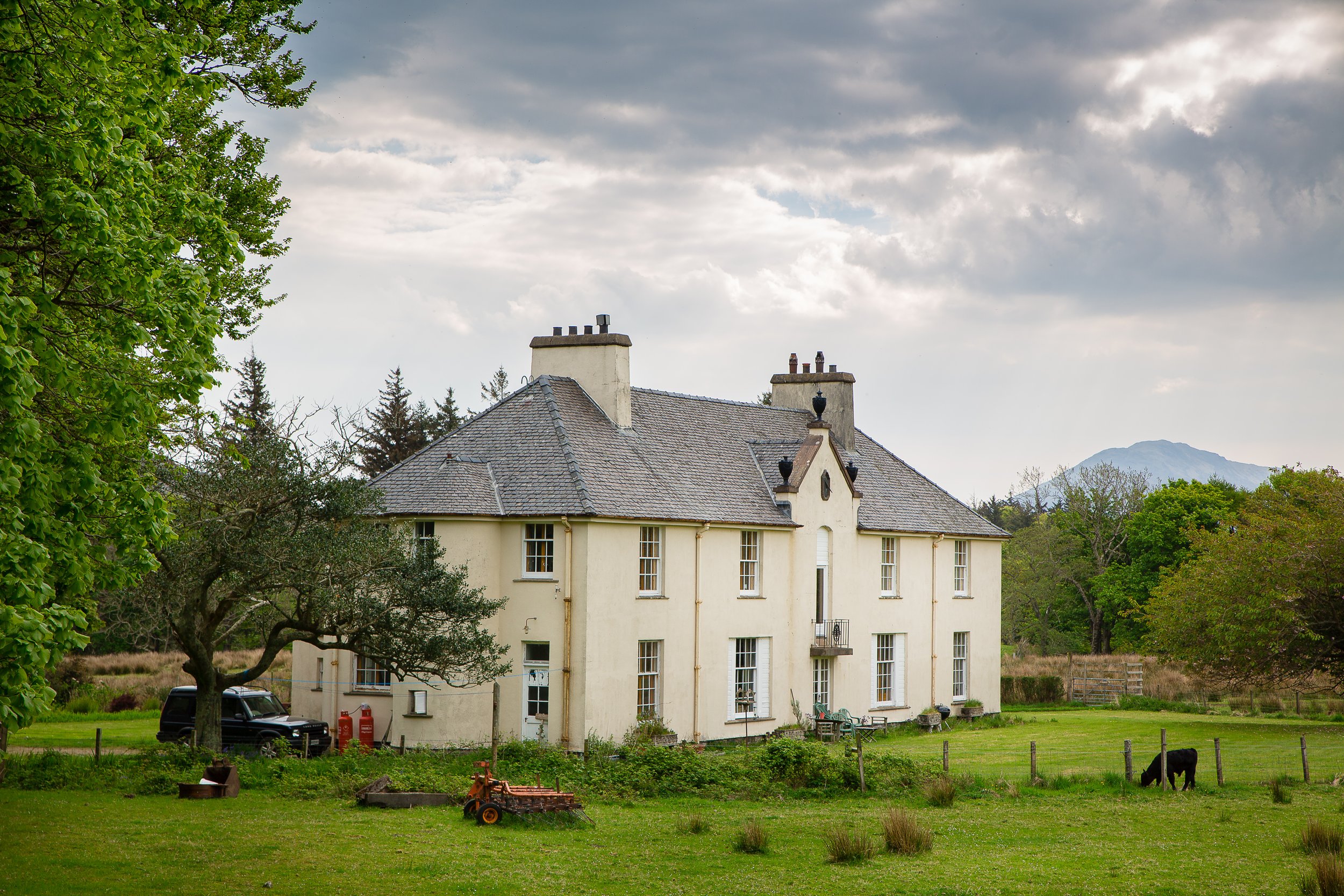
Ulva House stands on the island’s eastern side and is one of Ulva’s most prominent historic buildings. The present house was completed in 1955–56, replacing an earlier house on the same site that was destroyed by fire, and incorporates architectural elements salvaged from the previous building. It was designed by Scottish architect Leslie Grahame Thomson and is now a Category B listed building.
Although not open to the public, Ulva House remains an important part of Ulva’s built heritage and a familiar landmark for those walking through the east coast woodlands. The house is currently entering a new phase of use, with tenants in place and initial repair works underway to secure its long-term future. It has recently featured in the television series Banjo and Ro’s Grand Island Hotel, which follows its careful and remarkable restoration.
Follow Banjo and Ro’s journey on their Instagram.
Wild, Historic and Incredibly Beautiful
Ulva is a place where natural beauty, rich history, and remarkable wildlife come together to create an unforgettable experience.
The island is a haven for wildlife lovers. Nesting pairs of White-tailed Sea Eagles soar overhead, often seen gliding along the coast. You might also spot Golden Eagles, Hen Harriers, otters, and seals—along with dolphins, whales, and even the rare Scotch Burnet Moth, found only on a handful of west coast islands in Scotland. The surrounding seas are teeming with life, and Ulva’s craggy coastline—with its hidden coves, quiet lagoons, and unspoiled beaches—offers endless opportunities for exploration by kayak or boat.
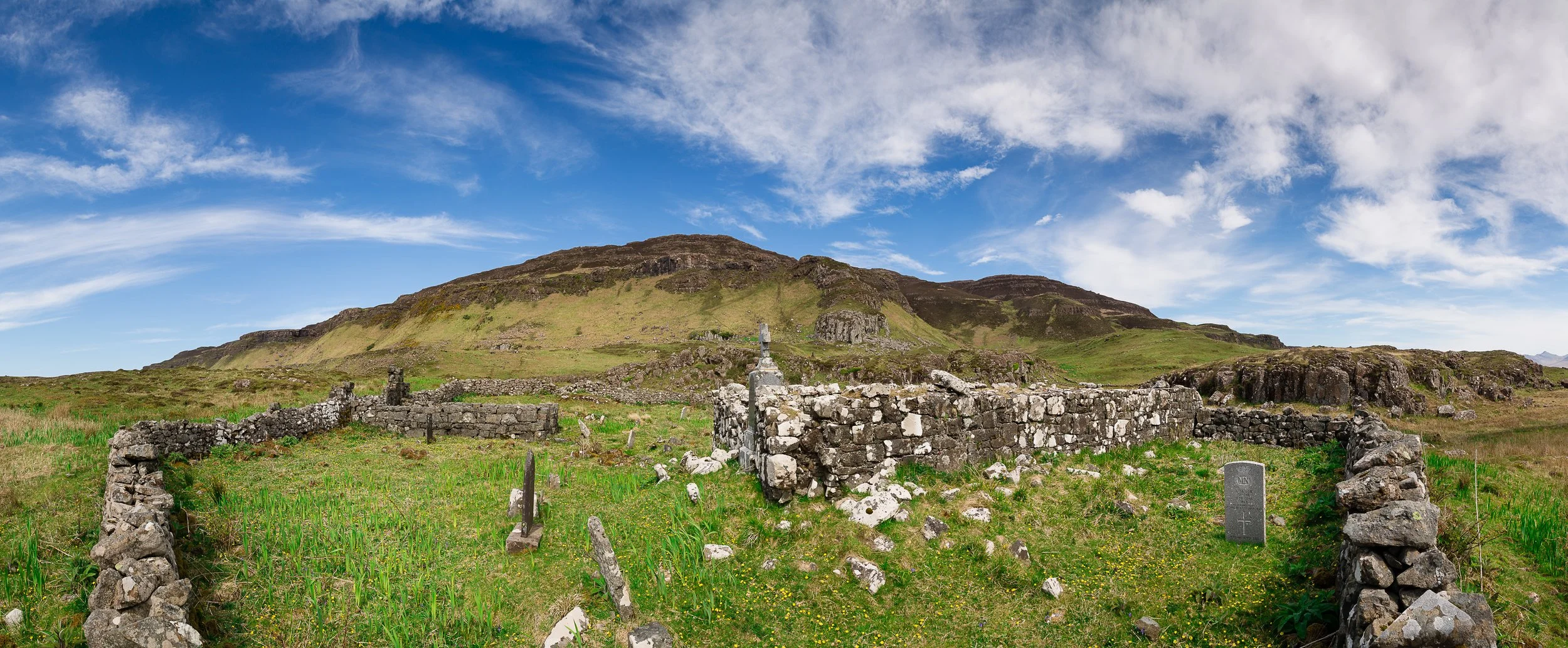
But Ulva’s story is not only one of nature. Its deep human history is etched into the landscape. From the Mesolithic finds in Livingstone’s Cave to Bronze Age standing stones and the ruins of old blackhouse townships, the island offers a powerful glimpse into thousands of years of settlement. The abandoned villages are a poignant reminder of the Highland Clearances, when many were forced to leave their homes in the 19th century.
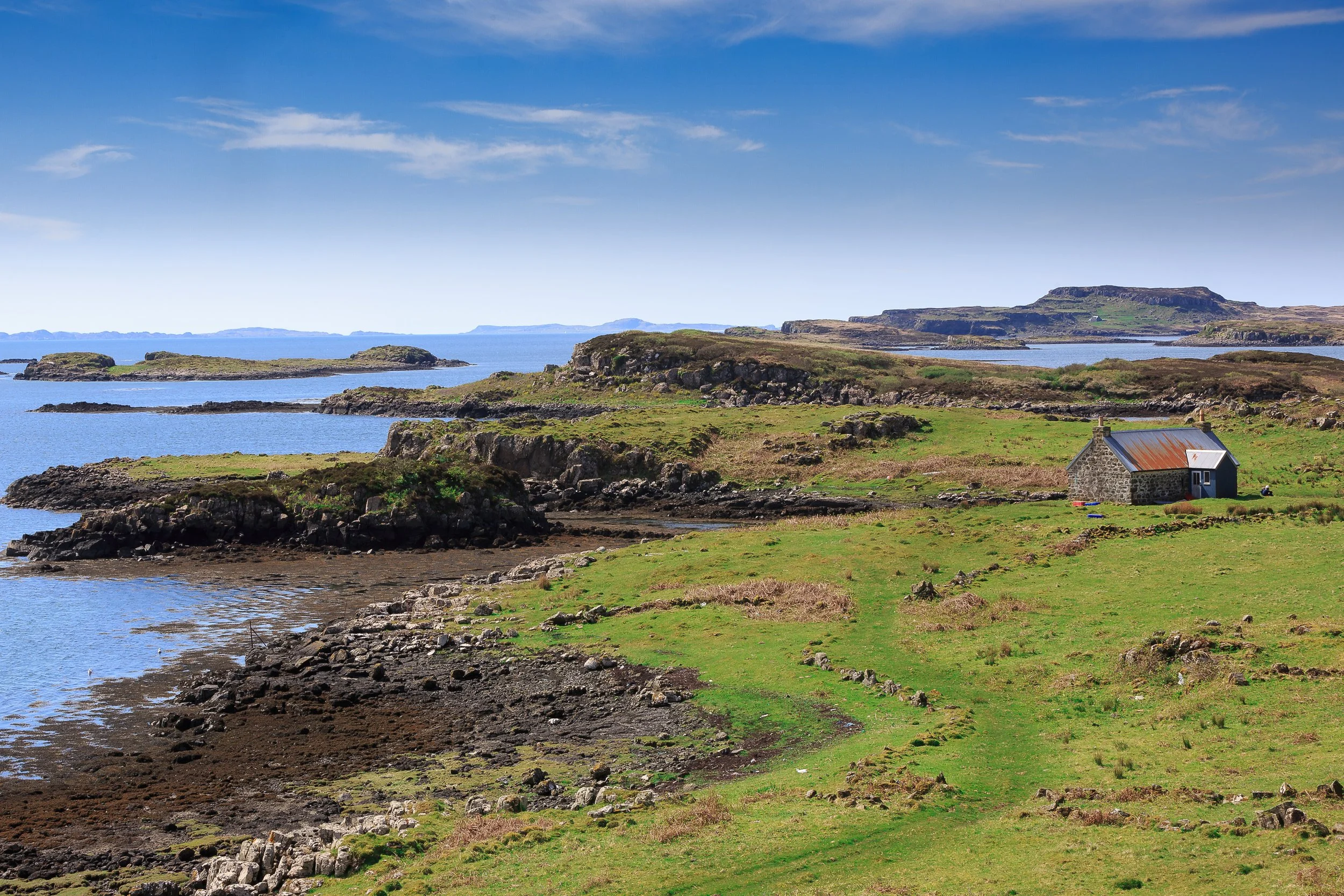
The island’s scenery is just as varied as its past. The east coast is unexpectedly lush, with sweeping stands of native broadleaf woodland offering dappled trails and peaceful views. In contrast, the west and south coasts feel wild and remote, with rugged headlands and dramatic sea cliffs around deserted settlements like Ormaig.
Whether you’re walking beneath leafy canopies or gazing out to sea from a rocky point, Ulva’s beauty is immersive and raw.
Please Note: The waters around Ulva can be unpredictable and potentially hazardous. There are few safe landing points, so anyone exploring by kayak or boat should be experienced, check local conditions carefully, and always let someone know their planned route and return time.